This website contains imagery that is only suitable for audiences 18+. Any surgical or invasive procedure carries risks.

Abdominoplasty (Tummy Tuck) Surgery in Sydney

Personalised abdominoplasty (tummy tuck) surgery, tailored to your individual anatomy and goals, at COSMEX Clinic in Sydney.
  • Individualised abdominoplasty treatment plans
  • Experienced FRACS specialist surgical team
  • Comprehensive pre- and post-operative care
  • Accredited hospital facilities in Sydney

What Is an Abdominoplasty (Tummy Tuck)?

Abdominoplasty (commonly called a tummy tuck) is a surgical procedure that may be considered to remove excess skin and fatty tissue from the lower abdomen and, in selected cases, to repair separation of the abdominal muscles (diastasis recti). It is often explored after pregnancy, significant weight change, or age-related loss of skin elasticity, where diet and exercise have not resolved loose abdominal skin or a weakened abdominal wall.

Abdominoplasty is an operation performed under general anaesthesia. It is not a weight-loss procedure and is not a substitute for a healthy lifestyle. Whether it is appropriate for you, and which technique suits your anatomy, can only be confirmed at a consultation that covers suitability, expected changes and their limitations, scarring, risks, recovery and alternatives.

Abdominoplasty Before and After Photos in Sydney

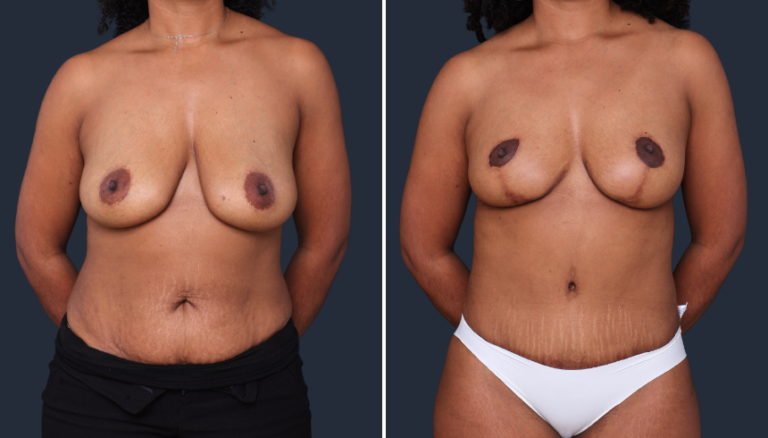
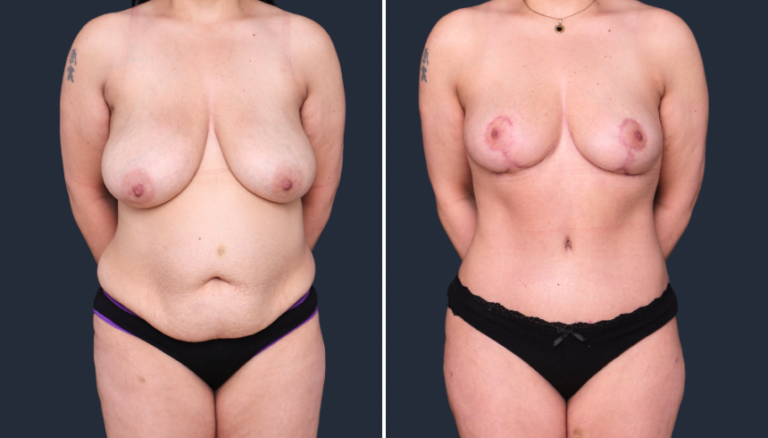
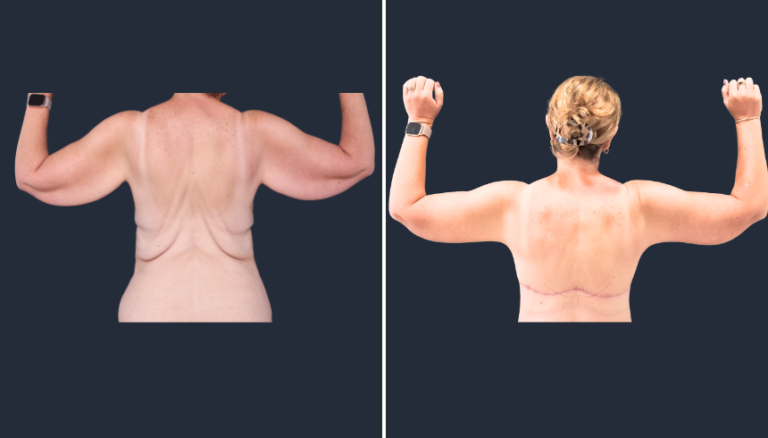
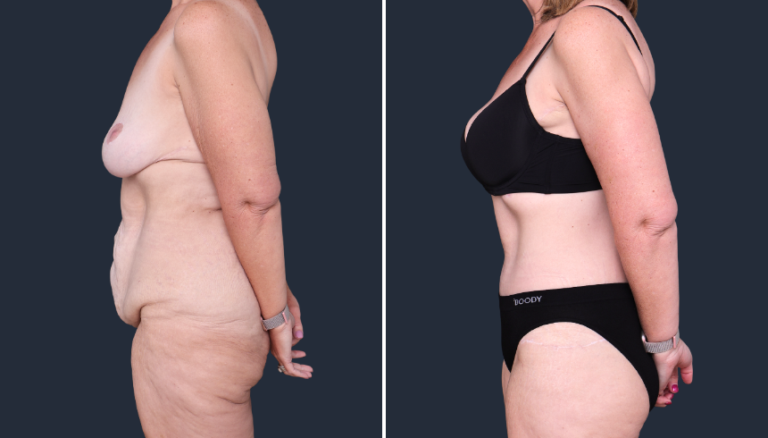
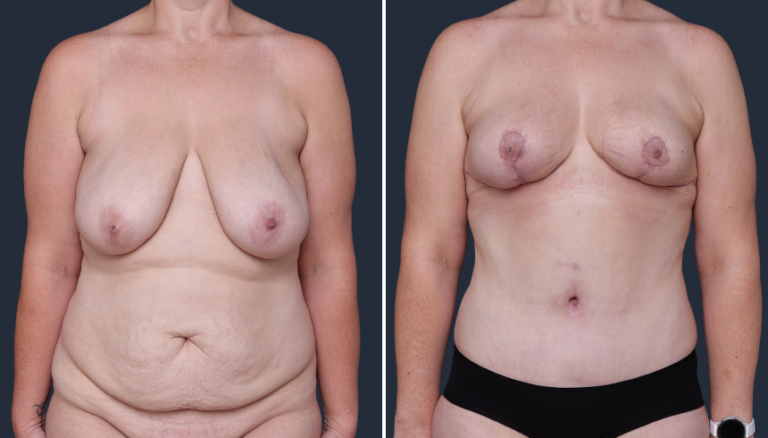
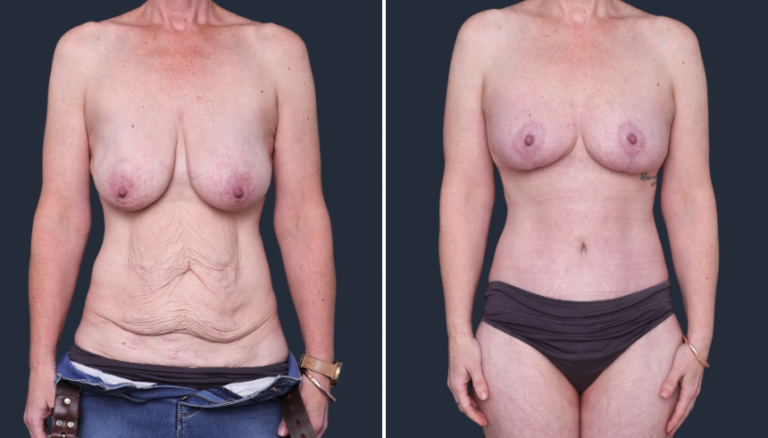
Browse abdominoplasty before and after photos from patients treated at COSMEX in Sydney. These tummy tuck before and after images show the range of concerns we assess, including excess lower-abdominal skin, changes following pregnancy, and abdominal wall separation. Abdominoplasty is often addressed alongside procedures such as breast surgery.

The outcomes shown relate only to the individual patient and do not necessarily reflect the results other patients may experience. Results vary due to many factors, including genetics, skin quality, surgical approach, diet, exercise and healing response. These images are not intended to guarantee or predict the outcome of any procedure.

Types of Abdominoplasty We Perform at COSMEX

There is no single tummy tuck. The right approach depends on how much excess skin is present, whether the abdominal muscles have separated, and whether you are addressing changes after pregnancy or major weight loss. At COSMEX, our surgeons assess your anatomy and goals and may recommend one of the following approaches.

Full (standard) abdominoplasty

Addresses excess skin and fatty tissue across the lower and, where needed, upper abdomen, and can include repair of separated muscles. This is the most common approach and the focus of this page.

Mini abdominoplasty

A smaller procedure for excess skin and laxity confined to the area below the belly button, typically with a shorter scar and no repositioning of the umbilicus. Suitability is limited and confirmed at consultation.

Extended abdominoplasty

Most suitable for patients with additional skin excess in the abdomen. Addresses excess skin and fatty tissue across the lower and, where needed, upper abdomen extending to the sides, and can include repair of separated muscles. The incisions will go from one flank to the other but will not extend to the back. Learn more about our Extended Abdominoplasty (Tummy Tuck).

Circumferential (360) abdominoplasty / Lower Body Lift / Belt Lipectomy

For more extensive skin laxity that continues around the flanks and lower back, often after significant weight loss. Learn more about Belt Lipectomy.

Post-bariatric body contouring

For patients who have lost a large amount of weight and have significant loose skin across multiple areas. See Post-Bariatric Surgery Body Contouring. Surgeries may include Fleur De Lys, Coset Abdominoplasty, upper and lower back lift, or bra strap lift.

Abdominoplasty may also be combined with liposuction or breast surgery in selected cases. Your surgeon will explain which option is clinically appropriate for you.

What Does an Abdominoplasty Involve?

Abdominoplasty typically involves removing excess skin and subcutaneous tissue from the lower abdomen and reshaping the abdominal area through a low horizontal incision. In selected cases, where muscle separation (diastasis recti) is present, the procedure may also include repair of the abdominal wall by stitching the muscles back together (plication). Where the amount of skin removed requires it, the belly button (umbilicus) is repositioned so it sits naturally on the tightened skin.

It is useful to understand how abdominoplasty differs from related procedures:

  • Liposuction targets localised fatty tissue and does not remove significant loose skin or repair muscle separation. Some patients benefit from liposuction and abdominoplasty together.
  • Panniculectomy focuses on removing an overhanging apron of skin and tissue, sometimes for functional reasons, and does not usually include muscle repair or reshaping.

Your surgeon will explain whether an abdominoplasty, a modified procedure, or a non-surgical approach is most appropriate for your circumstances.


Benefits of Abdominoplasty Surgery

Where clinically appropriate, abdominoplasty may help improve the contour of the abdomen and reduce excess skin that has not responded to diet and exercise. Individual outcomes vary depending on anatomy, skin quality, surgical approach and healing, and benefits should always be weighed against the risks and recovery involved.

Potential benefits your surgeon may discuss include:

  • Removal of excess lower-abdominal skin - where clinically appropriate, addressing loose or overhanging skin after pregnancy, weight change or ageing.
  • Improved abdominal contour - a flatter, firmer abdominal profile; results vary and depend on skin elasticity, tissue characteristics and healing.
  • Improving back pain and urinary incontinence through repair of separated abdominal muscles (diastasis recti) - in selected cases where muscle separation is present, plication may restore abdominal wall support; with studies showing improved back pain and reduced urinary incontinence; outcomes vary.
  • Clothing and comfort - some patients report that clothing fits more comfortably once excess skin is addressed; this is individual and not guaranteed.
  • Reduced skin reaction from skin overhang - Some patients develop rashes and skin integrity loss under the abdominal apron. Removing the skin will remove the skin reaction.
  • Mons lift - Excess skin and fat in the Mons region above the genitals is usually addressed along with an abdominoplasty procedure.

Abdominoplasty does not stop future weight change, ageing or the effects of pregnancy, and it is not a treatment for obesity.

Am I a Good Candidate for a Tummy Tuck?

A suitable candidate for abdominoplasty is generally an adult in good overall health who has excess abdominal skin and/or abdominal wall separation, and who understands that this is major surgery with permanent scarring and a defined recovery. Suitability depends on your general health, weight stability, nutritional status, smoking/nicotine use, previous abdominal surgery and individual risk factors. A consultation is required to confirm whether abdominoplasty is right for you.

You may be a candidate for a tummy tuck if you:

  • Are in good overall physical health
  • Have excess or loose lower-abdominal skin that has not responded to diet and exercise
  • Have suspected or confirmed abdominal muscle separation (diastasis recti) and would like to discuss surgical options
  • Have a stable weight (where relevant to surgical planning) and minimal visceral fat
  • Do not smoke, or are willing to stop nicotine use for a specified period before and after surgery, as directed
  • Have realistic expectations about scarring, recovery time and variability in outcomes

Abdominoplasty Surgical Techniques and Incision Options

The specific surgical technique is selected based on your individual anatomy, goals and clinical assessment. Your surgeon will explain the recommended approach, incision placement and expected scarring during your consultation. Techniques commonly involved in abdominoplasty include:

Low horizontal incision (Front only or circumferential)

An incision positioned low on the abdomen, placed to sit within typical underwear or swimwear lines where possible (exact placement varies by anatomy and technique).

Removal of excess skin and tissue

Loose skin and subcutaneous tissue are removed from the lower abdomen, and the remaining skin is redraped and tightened.

Repositioning of the umbilicus (belly button)

In many cases the belly button is repositioned as the skin is tightened, which may leave a small scar around it.

Abdominal wall repair (selected cases)

Where rectus diastasis is present and surgery is clinically appropriate, the separated muscles may be stitched back together (plication) to restore abdominal wall support.

Vertical scar

When there is significant excess skin a FDL Abdominoplasty or Corset Abdominoplasty may be utilised to remove the significant excess skin.

Anaesthesia for Abdominoplasty

Abdominoplasty is commonly performed under general anaesthesia. The anaesthesia plan depends on the extent of surgery, your individual health factors and facility protocols, and is discussed and confirmed during your consultation with your surgeon and anaesthetist.

What Happens at Your Abdominoplasty Consultation

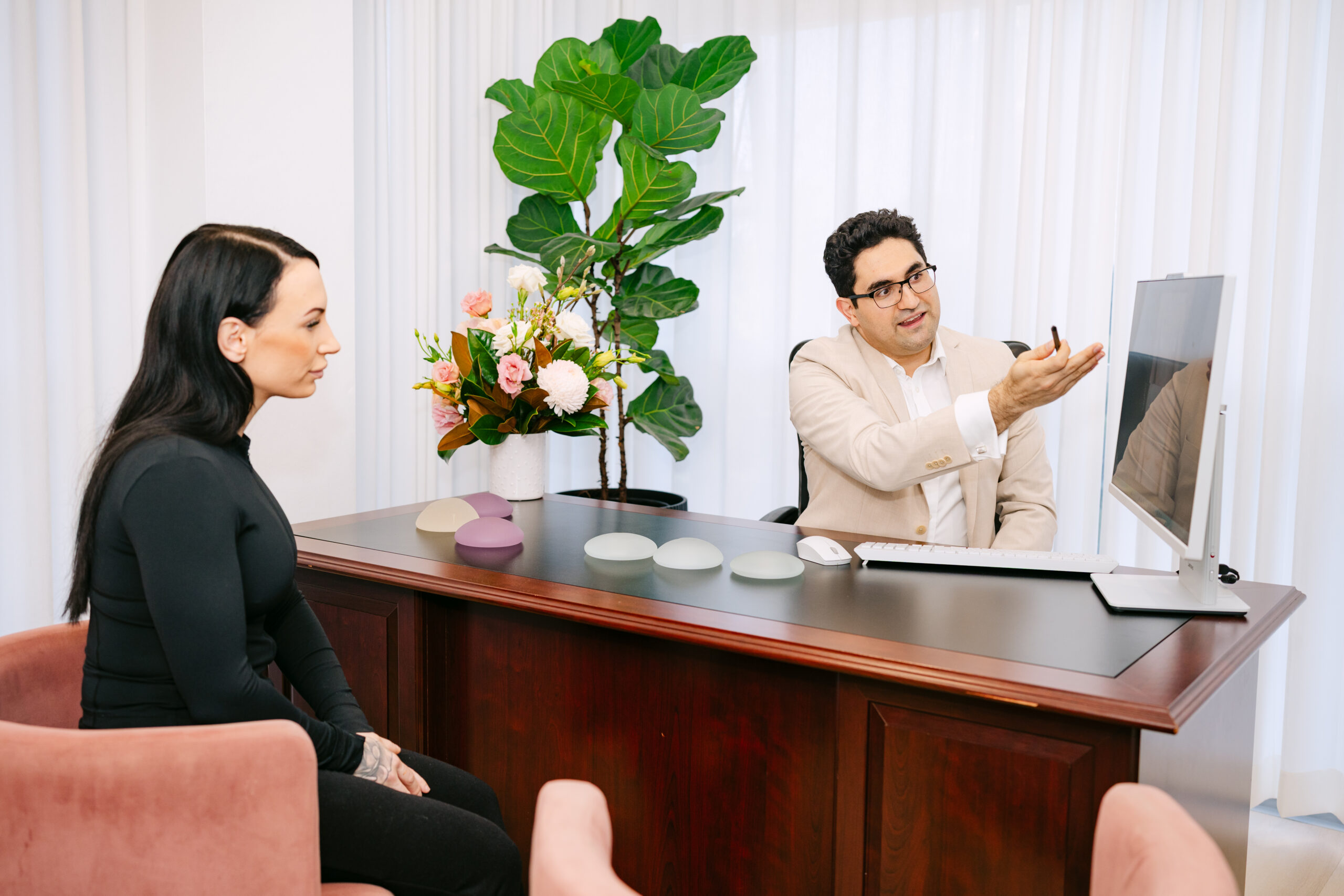
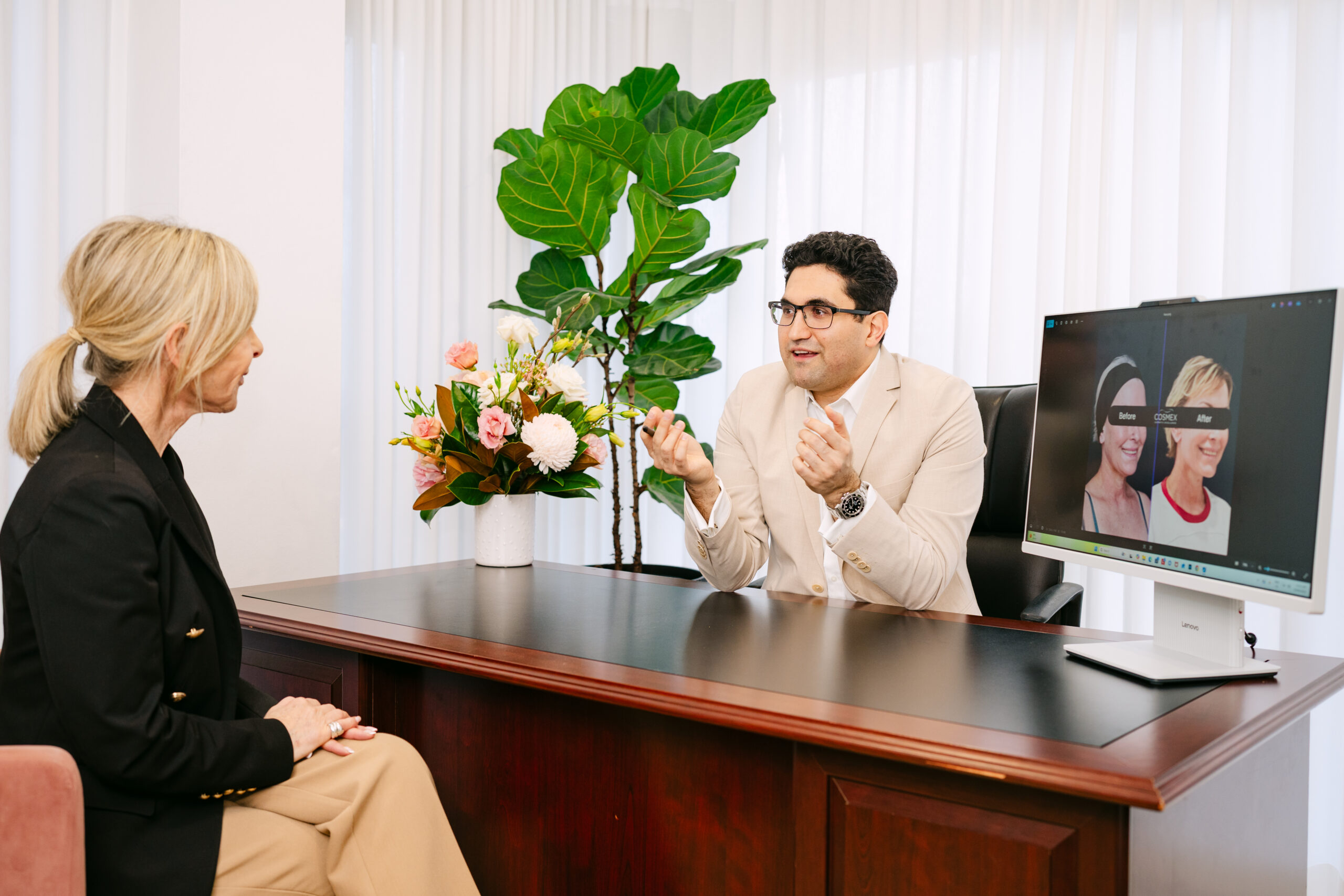
A consultation is required before any surgery, and it is where your suitability is confirmed. Your medical practitioner will explain:

  • Recommended incision placement and expected scar location and length
  • Whether repositioning of the umbilicus is likely
  • The trade-offs of each approach (for example, scar length versus degree of tightening)
  • Your timeline, activity restrictions, compression garment use and follow-up schedule
  • A detailed discussion of surgical risks, expected scarring and recovery expectations

Risks and Complications of Abdominoplasty

As with any surgical procedure, abdominoplasty carries potential risks and complications. Their likelihood and nature vary between individuals and depend on factors including anatomy, medical history and surgical approach. Your surgeon will discuss the risks specific to your situation during your consultation, and you can read more about surgical risk generally.

Potential risks and complications may include:

  • Infection - may require antibiotic treatment
  • Bleeding or haematoma formation - may require further intervention
  • Adverse reaction to anaesthesia
  • Scarring - permanent, with individual scar outcomes varying
  • Asymmetry or contour irregularities
  • Changes in skin sensation — may be temporary or permanent
  • Wound healing delays - more common in smokers
  • Fluid collection (seroma) - may require drainage
  • Blood clots (DVT/PE) - a serious risk with any major surgery
  • Need for revision surgery in some cases

Any surgical or invasive procedure carries risks. This is not a complete list; your surgeon will provide a full explanation relevant to you.

How to Prepare for Abdominoplasty Surgery

Once your treatment plan is agreed, preparation for abdominoplasty typically includes:

  • Medical review - health history, medications and supplements, and relevant investigations where required.
  • Medication guidance - you may be asked to stop certain medications or supplements that can increase bleeding risk, where clinically appropriate.
  • Nicotine cessation - nicotine can impair healing; you may be asked to stop smoking, vaping and nicotine products for a specified period before and after surgery.
  • Fasting instructions - follow the facility's requirements prior to anaesthesia.
  • Support planning - arrange transport home and post-operative support after discharge, as you will need help in the early recovery period.

Abdominoplasty Recovery Time and Milestones

Once your treatment plan is agreed, preparation for abdominoplasty typically includes:

Week 1

You are monitored in recovery after surgery. Some discomfort, swelling and bruising are expected and vary between individuals. Rest and limited movement are important.

Week 2

Early healing continues. Rest remains important and activity should be limited. Many people with desk-based roles take around two weeks off work.

Week 2 - 6

Gradual return to light activities as advised by your surgeon. Swelling and bruising typically continue to subside. Individual timelines vary.

Week 6 - 12

Most patients are able to resume normal activities, including exercise, once cleared by their surgeon. Residual swelling may persist and varies.

3 - 12 Months

Final results continue to develop as tissues settle. Scars mature and fade over roughly 12–18 months, though individual scar outcomes vary and scars are permanent.

How Much Does an Abdominoplasty Cost in Sydney?

The cost of abdominoplasty varies depending on the surgical approach, complexity and whether additional procedures are recommended. A personalised quote that covers surgeon, anaesthetist and hospital fees is provided following your consultation, once your individual treatment plan has been determined. All fees are outlined before you decide to proceed.

Some patients with abdominal muscle separation following pregnancy or with a history of weight loss may be eligible for a Medicare rebate and a private health insurance contribution. Eligibility is assessed against strict criteria and confirmed during consultation; many cosmetic abdominoplasty procedures are not covered.

Starting From

$15,990 Surgical Fee

Indicative pricing only

Final exact cost will be confirmed after consultation.

Why Choose COSMEX for Your Abdominoplasty

At COSMEX, we combine surgical expertise with personalised care to support safe, considered outcomes. Your safety, comfort and understanding are the priority at every stage of your abdominoplasty journey.

Specialist plastic surgeons

Our surgeons hold Fellowship of the Royal Australasian College of Surgeons (FRACS) in Plastic and Reconstructive Surgery. They are board certified cosmetic plastic surgeons sub-specilising in cosmetic surgery of the breast. You are welcome to verify your surgeon’s credentials via the AHPRA public register and on ANZBCPS, ASAPS, ASPS,. RACS, and AHPRA.

Accredited surgical facilities in Sydney

All abdominoplasty procedures are performed in licensed, accredited hospitals that meet Australian standards for theatre safety, anaesthesia, infection control and emergency care. Most procedure will be undertaken at Macquarie University Hospital with state of the art facilities in Sydney.

Individualised care

No two patients are the same. Every abdominoplasty plan follows a thorough one-on-one consultation where your anatomy, concerns, goals and medical history are carefully assessed — you receive a personalised recommendation, not a standardised package.

Structured aftercare and follow-Up

Your care continues well beyond surgery, with scheduled follow-up appointments, access to your surgical team during recovery, and long-term monitoring where clinically indicated.

Video FAQs

Playlist

6 Videos

Abdominoplasty (Tummy Tuck) FAQs

A tummy tuck, medically known as abdominoplasty, is a surgical procedure that removes excess skin and fatty tissue from the lower abdomen and, where present, repairs separated abdominal muscles (diastasis recti). It is often considered after pregnancy, significant weight loss or age-related changes in skin elasticity. It is a major operation, and suitability is confirmed at a consultation.

Generally an adult in good overall health with excess abdominal skin and/or muscle separation, a stable weight, who does not smoke (or will stop nicotine as directed) and who has realistic expectations. Suitability also depends on your medical history, previous surgery and individual risk factors, and is confirmed at consultation.

Many people with desk-based roles take around two weeks off work, with a gradual return to light activity from weeks 2–6. Strenuous exercise is usually resumed from around 6–12 weeks once cleared by your surgeon. Swelling settles over several months and scars mature over 12–18 months. Timelines vary between individuals.

Yes. Abdominoplasty leaves a permanent scar — usually a low horizontal line placed to sit within underwear or swimwear where possible — and, if the belly button is repositioned, a small scar around it. Scars fade over 12–18 months but do not disappear entirely, and healing varies.

Some discomfort, tightness, swelling and bruising are expected in the first weeks and are managed with a prescribed pain-relief plan. Discomfort typically eases over the first couple of weeks. Individual experiences differ.

Stretch marks on skin that is removed (usually below the belly button) may be removed along with that skin. Stretch marks on skin that remains are not removed, although they may shift position. This is assessed individually at consultation.

Cost varies with the surgical approach, complexity and whether procedures are combined. A personalised quote covering surgeon, anaesthetist and hospital fees is provided after your consultation. Some patients with pregnancy-related muscle separation may be eligible for a Medicare rebate and private health insurance contribution, assessed against strict criteria.

In selected cases, abdominoplasty may be combined with procedures such as liposuction or breast surgery (sometimes called a "mummy makeover"). Combining procedures affects operating time, recovery and risk, and is only considered where clinically appropriate. Your surgeon will advise.

An initial change is visible once early swelling subsides, but results continue developing as tissues settle and scars mature over roughly 12–18 months. Final outcomes vary with anatomy, skin quality and healing.

Bring your medical history, a list of current medications and supplements, and details of previous surgeries and pregnancies. Note your goals and any questions. You may be asked about smoking/nicotine use, weight stability and general health. A consultation is required to confirm suitability.

Liposuction removes localised fat but does not remove significant loose skin or repair muscle separation. A tummy tuck removes excess skin and can repair separated abdominal muscles. Some patients benefit from both; your surgeon will advise which suits your anatomy.

Where muscle separation is present, abdominoplasty can include repair of the abdominal wall (plication) to bring the muscles back together. Whether this is appropriate for you is assessed at consultation.

CONTACT COSMEX

Let's Start the Conversation

Whether you are exploring surgery, seeking a second opinion, or simply have questions 

about the process, our team is here to guide you.

Call Our Team

Call now to speak directly with our team and book a consultation.

Send an Enquiry

Complete our enquiry form and our team will be in touch to guide you through your options and answer any questions you may have.

Book A Call

Schedule a no-obligation phone consultation with our patient concierge team, pricing guidance and any questions you may have.

Non Surgical

Use the link below to book non-surgical appointments with our cosmetic practitioners.