
This website contains imagery that is only suitable for audiences 18+. Any surgical or invasive procedure carries risks.
Home » Breast Lift
A breast lift, also known as mastopexy, is a surgical procedure that reshapes and repositions the breasts by removing excess skin and adjusting the underlying breast tissue. The nipple and areola may also be moved to a different position, and the size of the areola may be reduced where clinically appropriate.
Breast position can change following pregnancy, breastfeeding, weight fluctuations, ageing or changes in skin elasticity. A breast lift does not primarily increase or reduce breast volume, although it may be combined with breast augmentation or breast reduction when a change in size is also being considered.
Browse breast lift before and after photographs from women treated at COSMEX. These images demonstrate how outcomes can differ according to breast anatomy, skin quality, the degree of tissue descent, the surgical technique and the stage of recovery at which the photographs were taken.
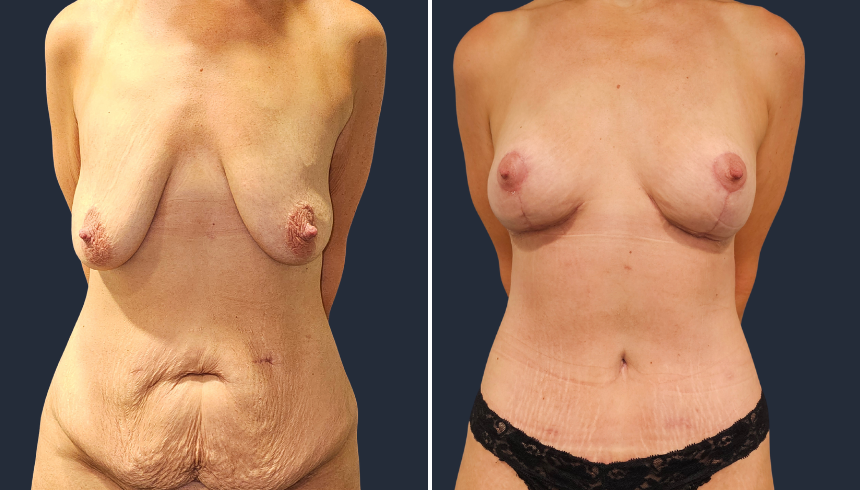
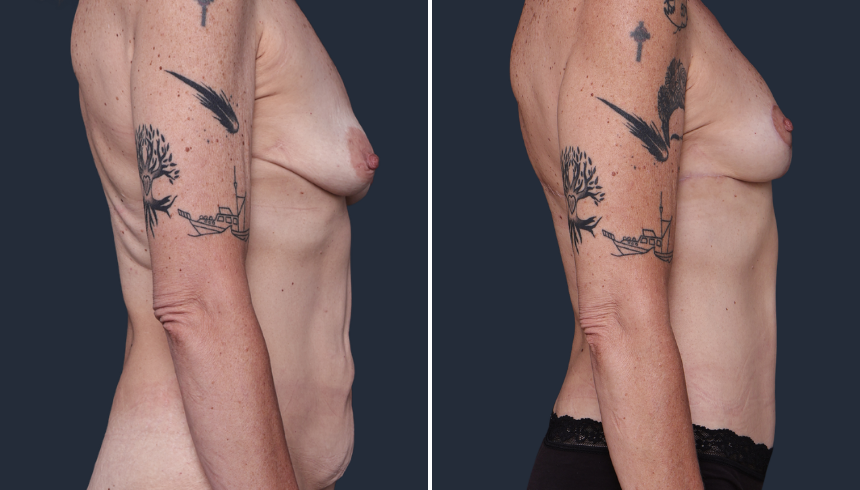
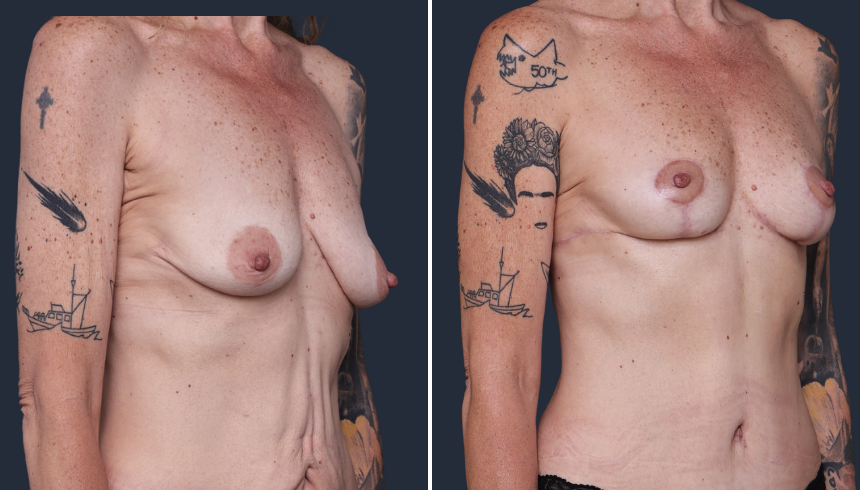
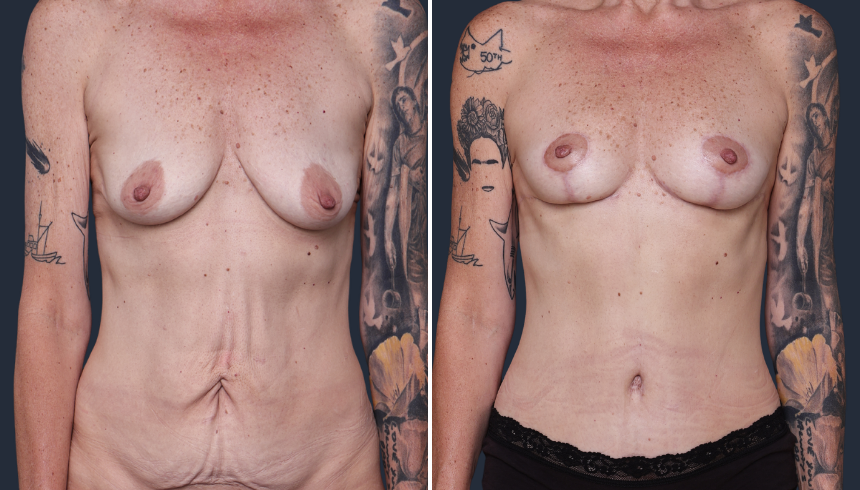
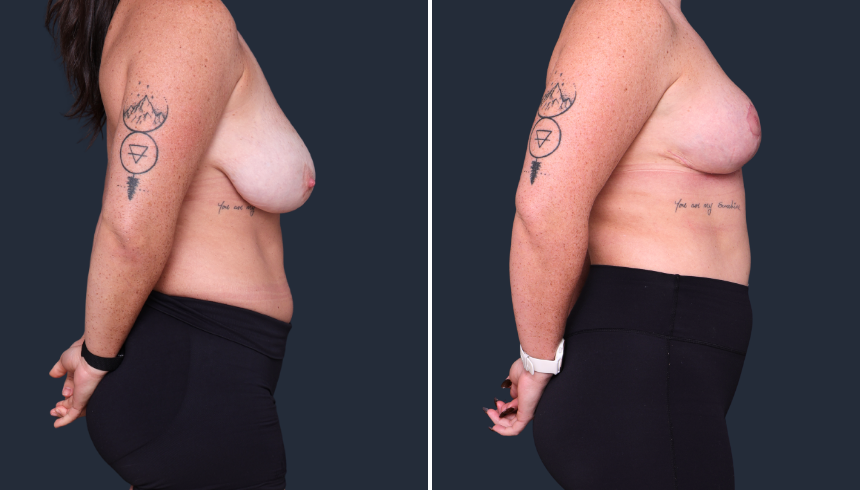
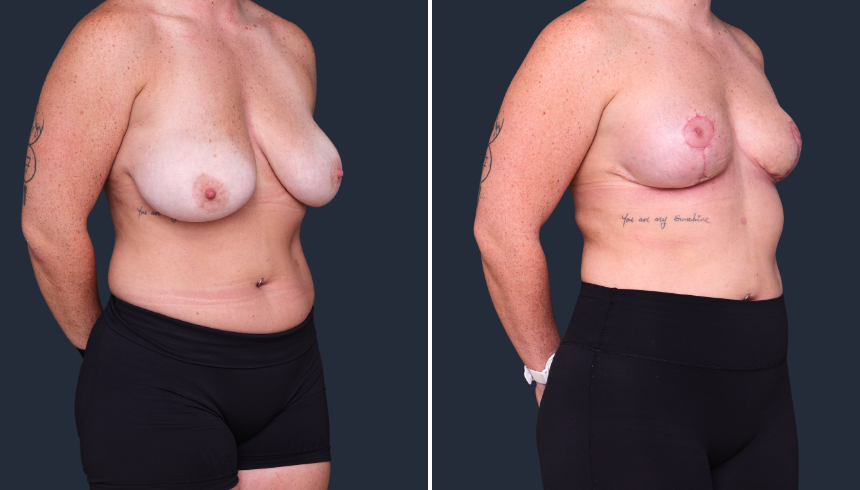
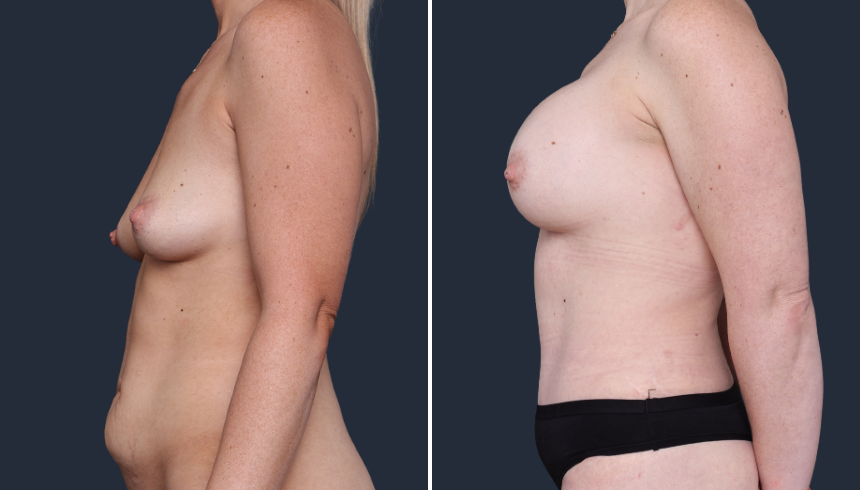
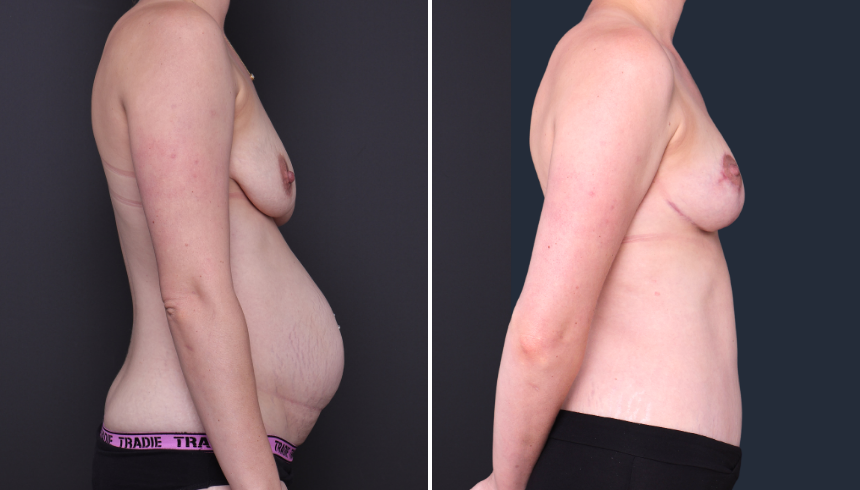
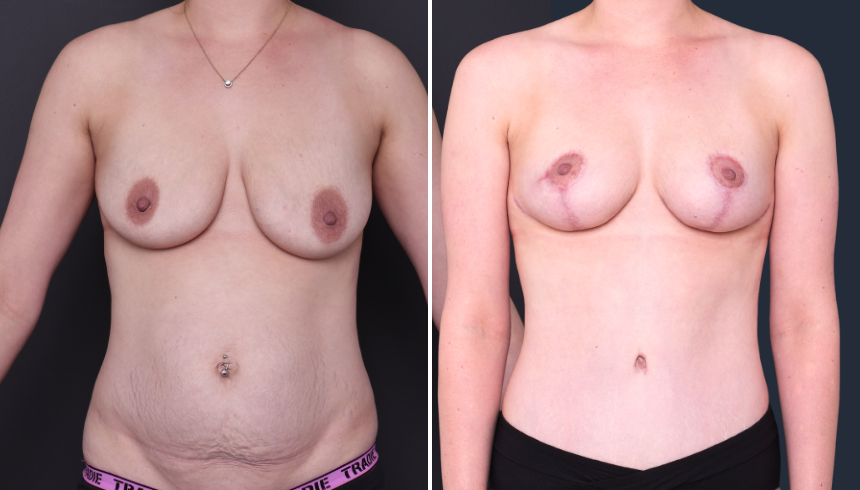
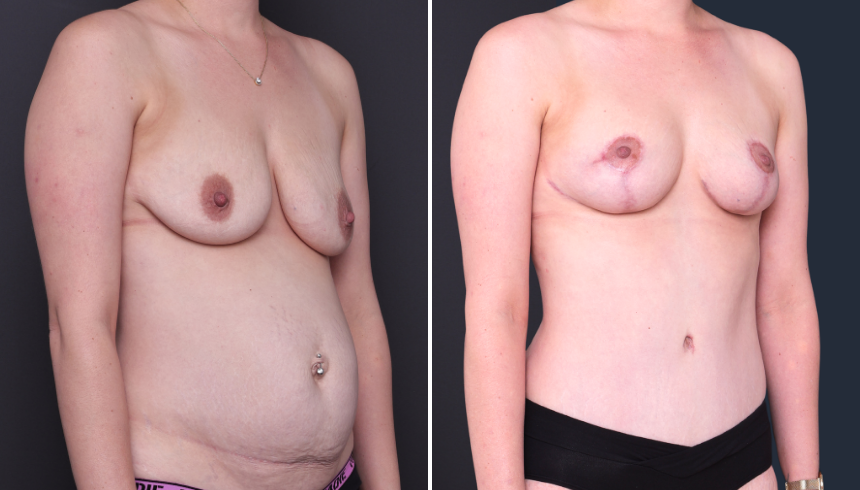
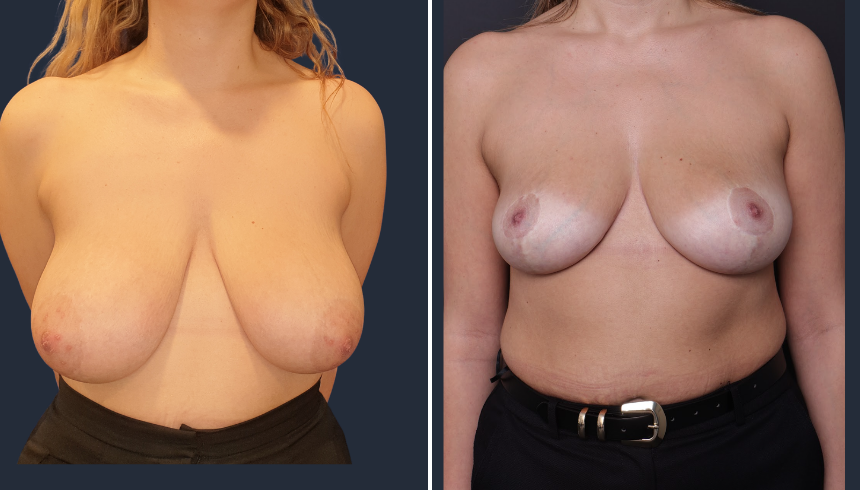
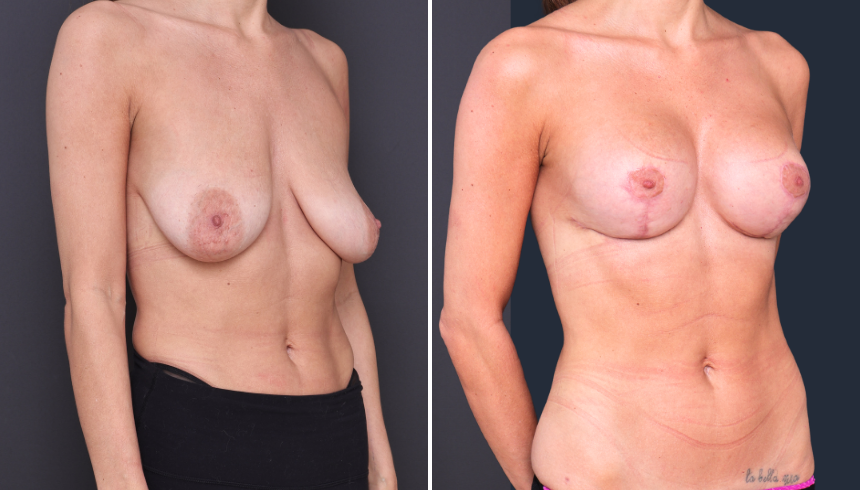
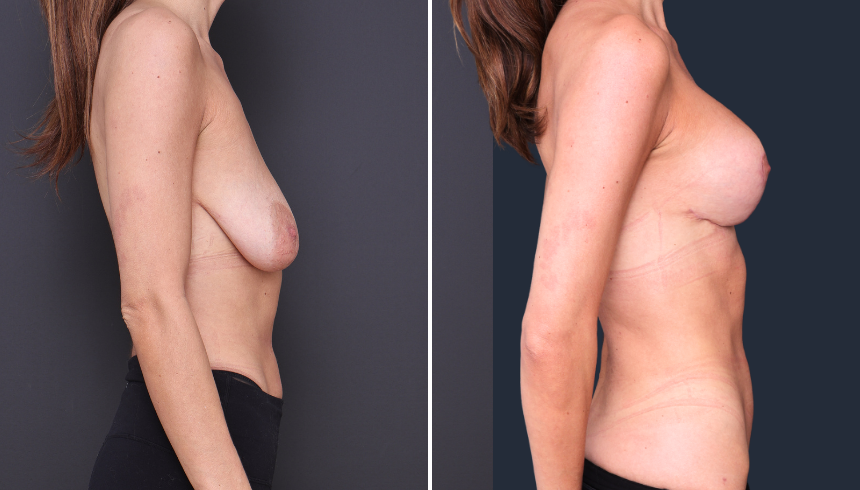
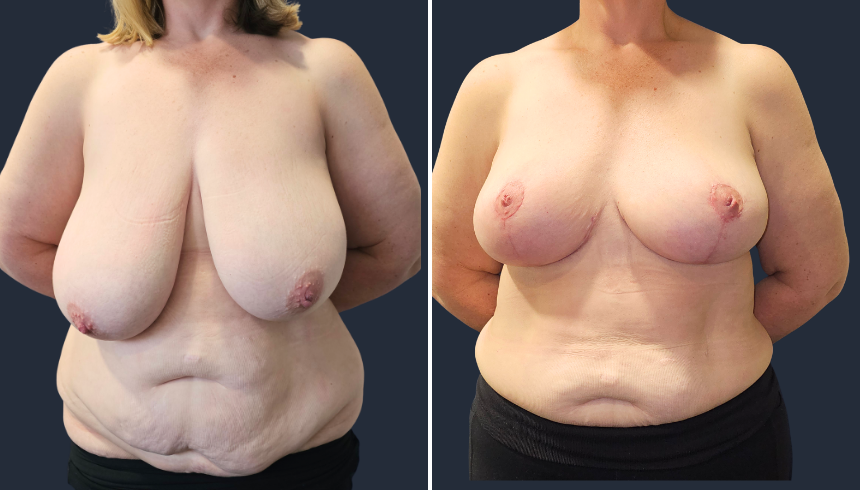
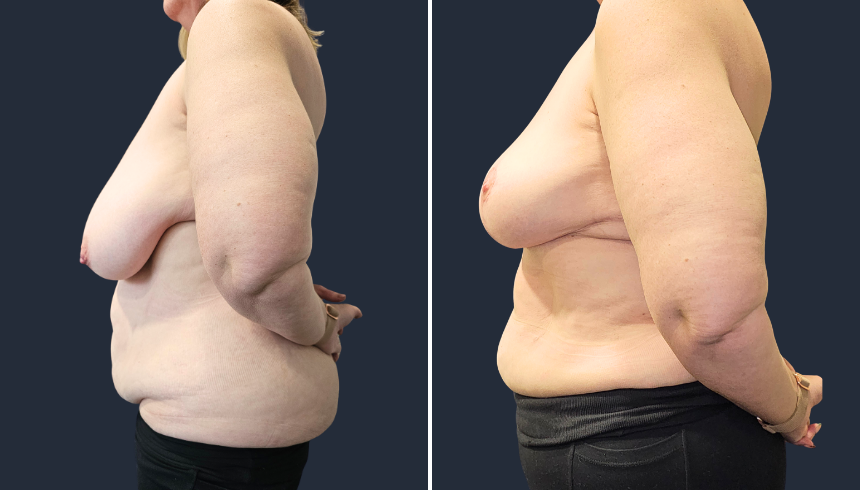
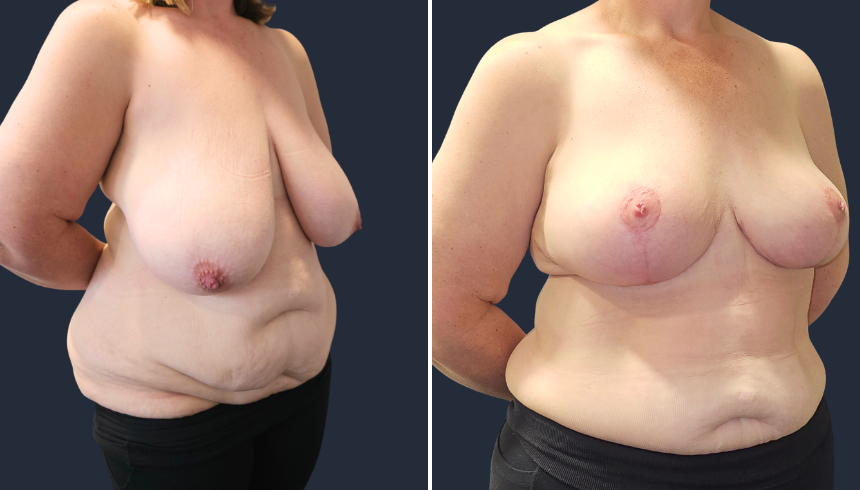
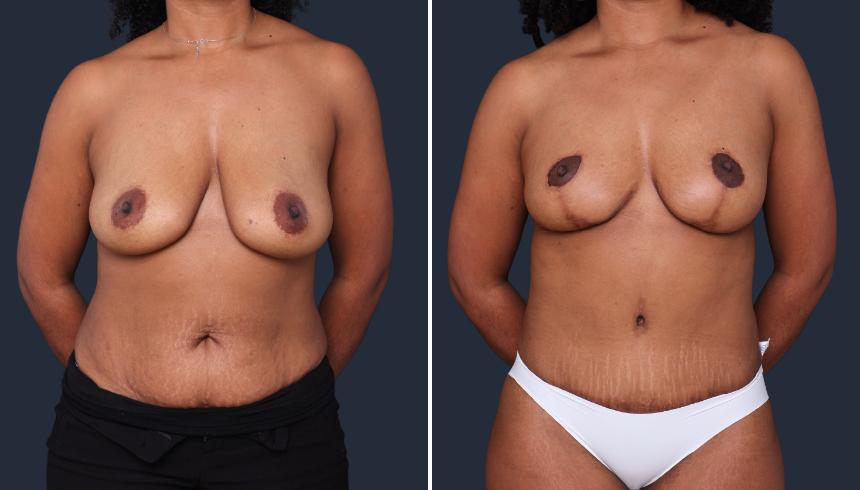
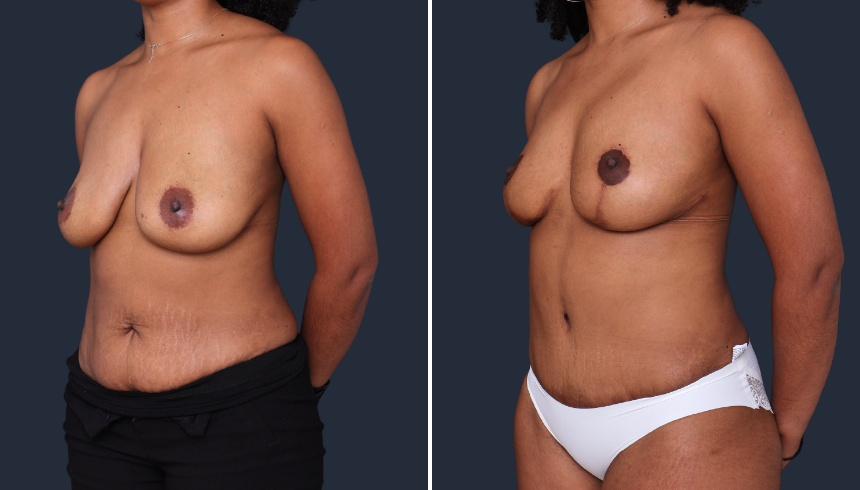
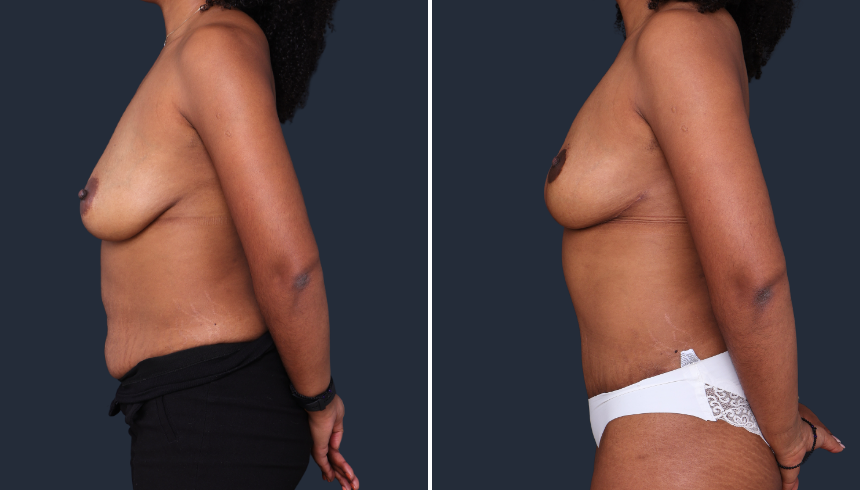
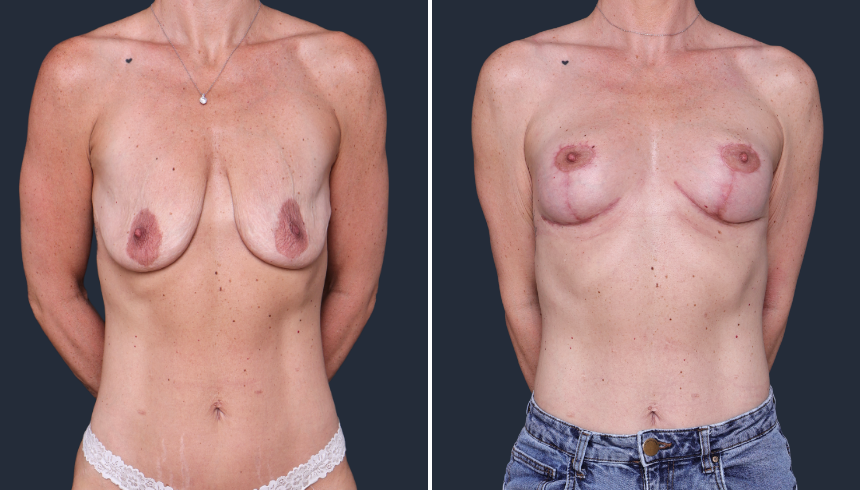
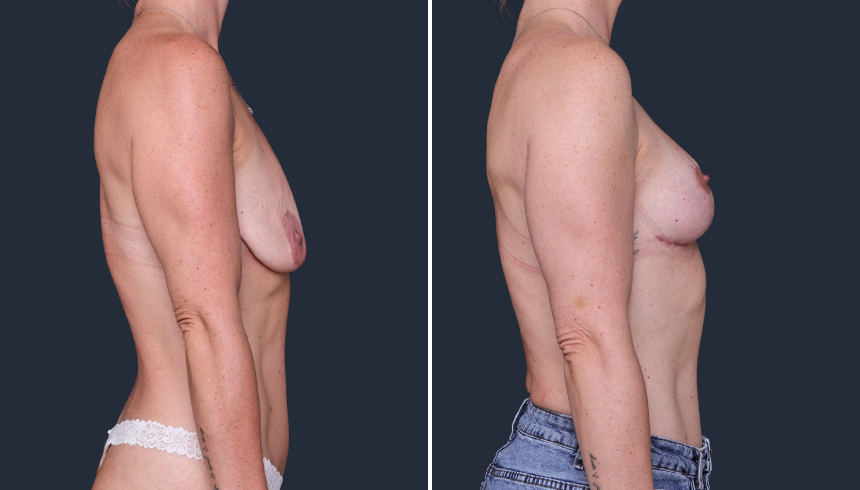
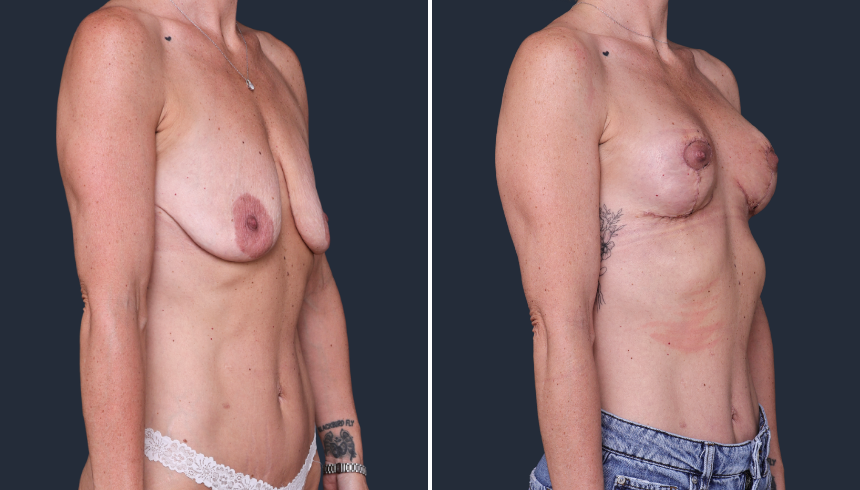
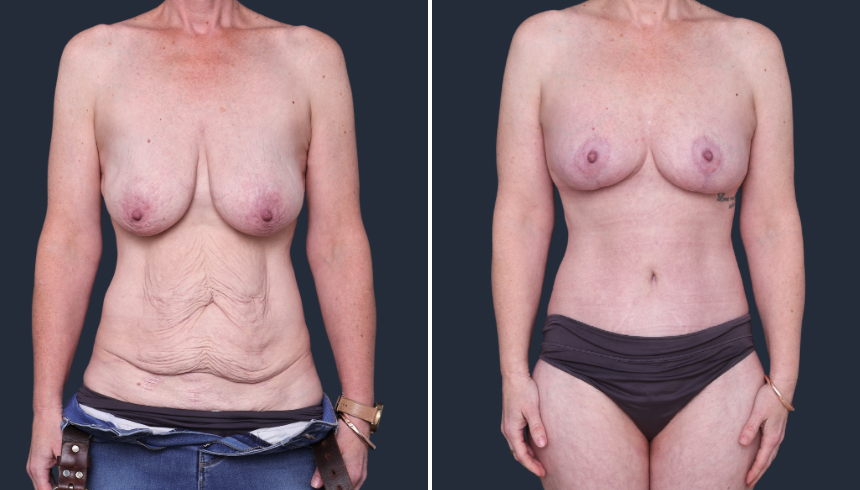
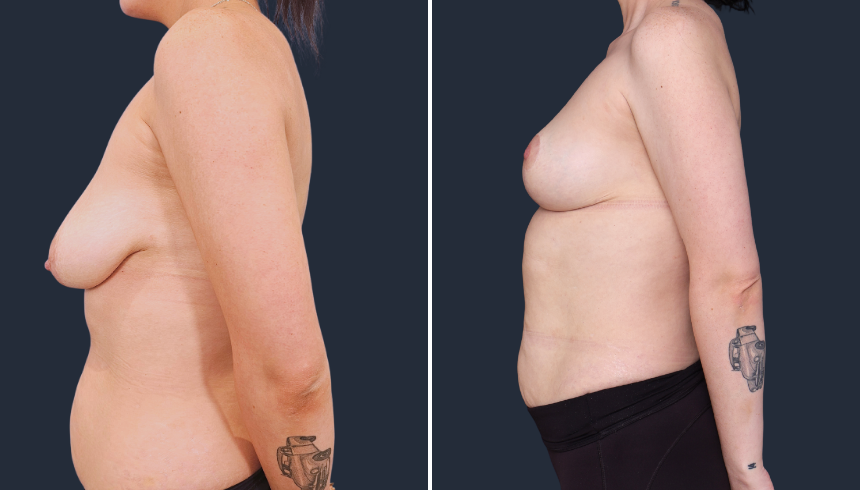
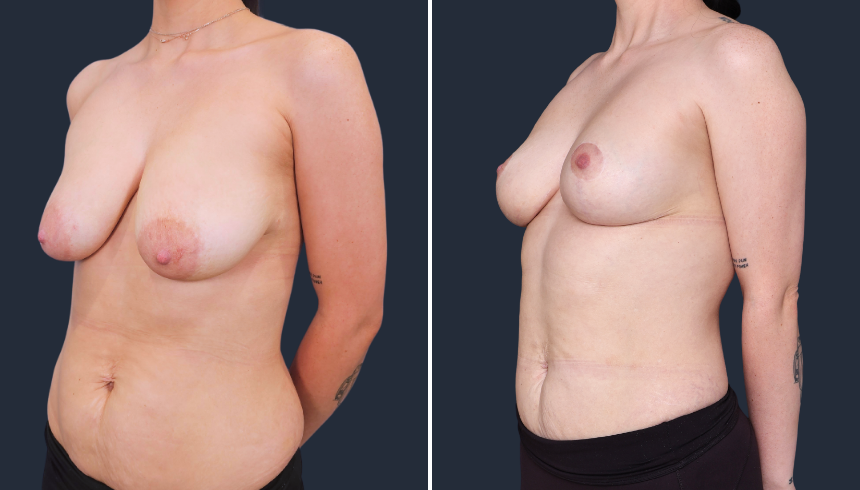
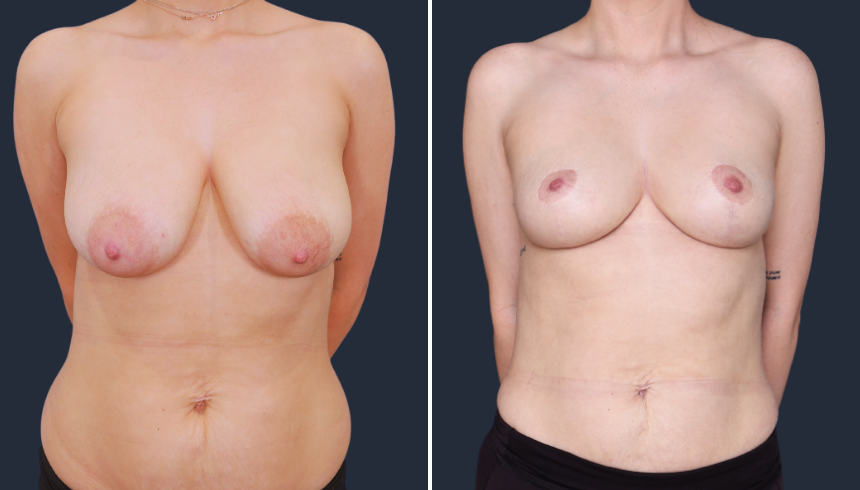
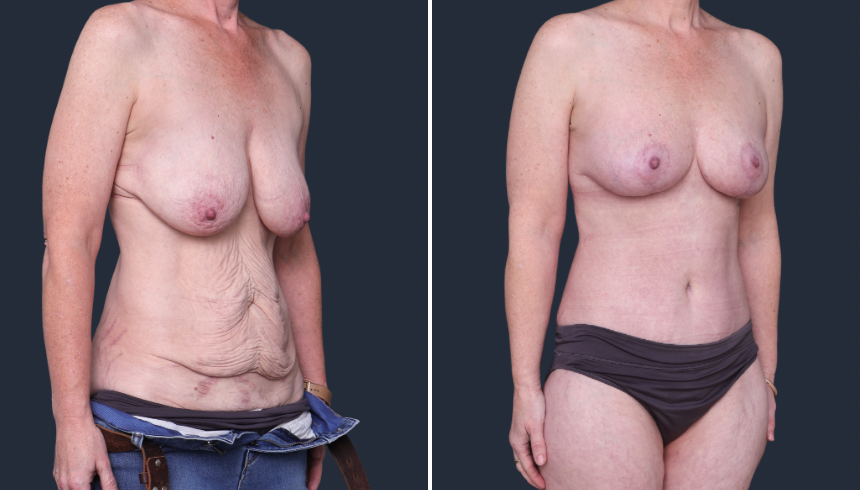
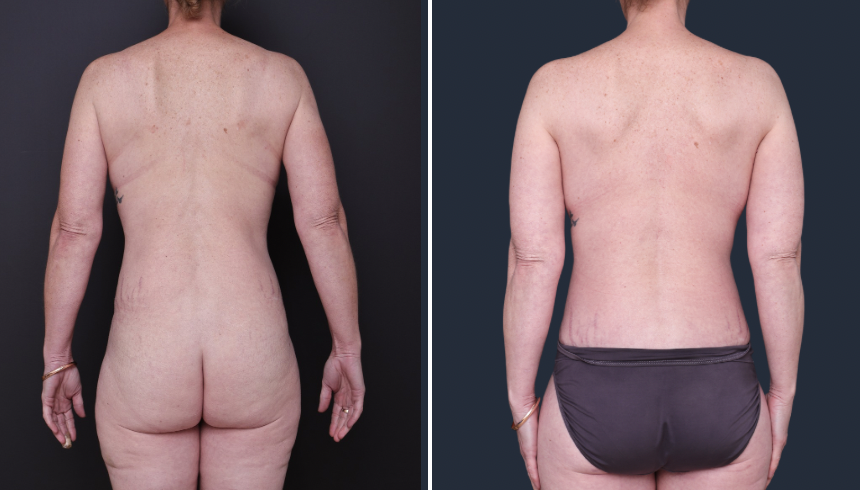
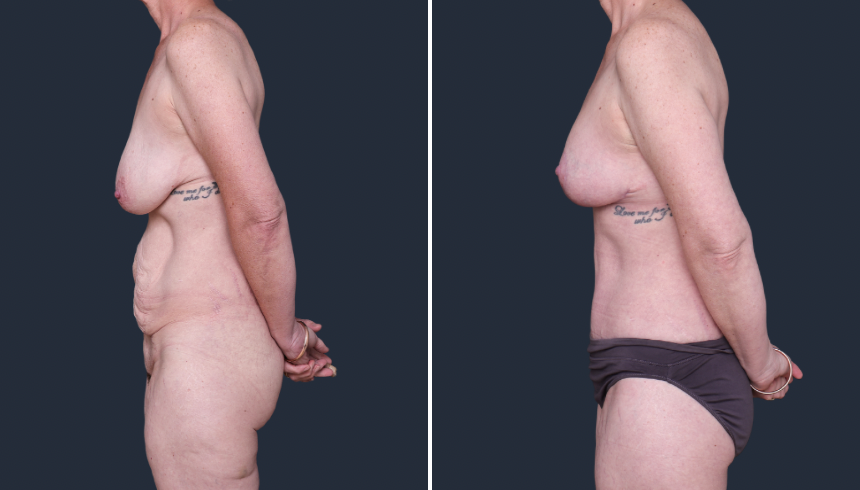
The results shown relate only to the individual pictured and do not necessarily reflect the outcome another person may experience. Results vary, and photographs are not intended to guarantee, predict or imply that the same result can be achieved for everyone.
A breast lift reshapes the breast by removing excess skin and repositioning the underlying tissue. The nipple and areola can be moved to a position that better suits the reshaped breast, while an enlarged areola may be reduced if this forms part of the agreed surgical plan.
The position and extent of the incisions depend on the degree of breast descent, skin quality, breast volume and the amount of reshaping required. All breast lift procedures create permanent scars. A breast lift may be performed alone or combined with augmentation or reduction when a change in breast volume is also part of the surgical plan.








Where clinically appropriate, breast lift surgery may address changes in breast position and shape. The degree of change varies based on existing anatomy, skin quality, surgical planning, and individual healing.
Potential benefits may include:
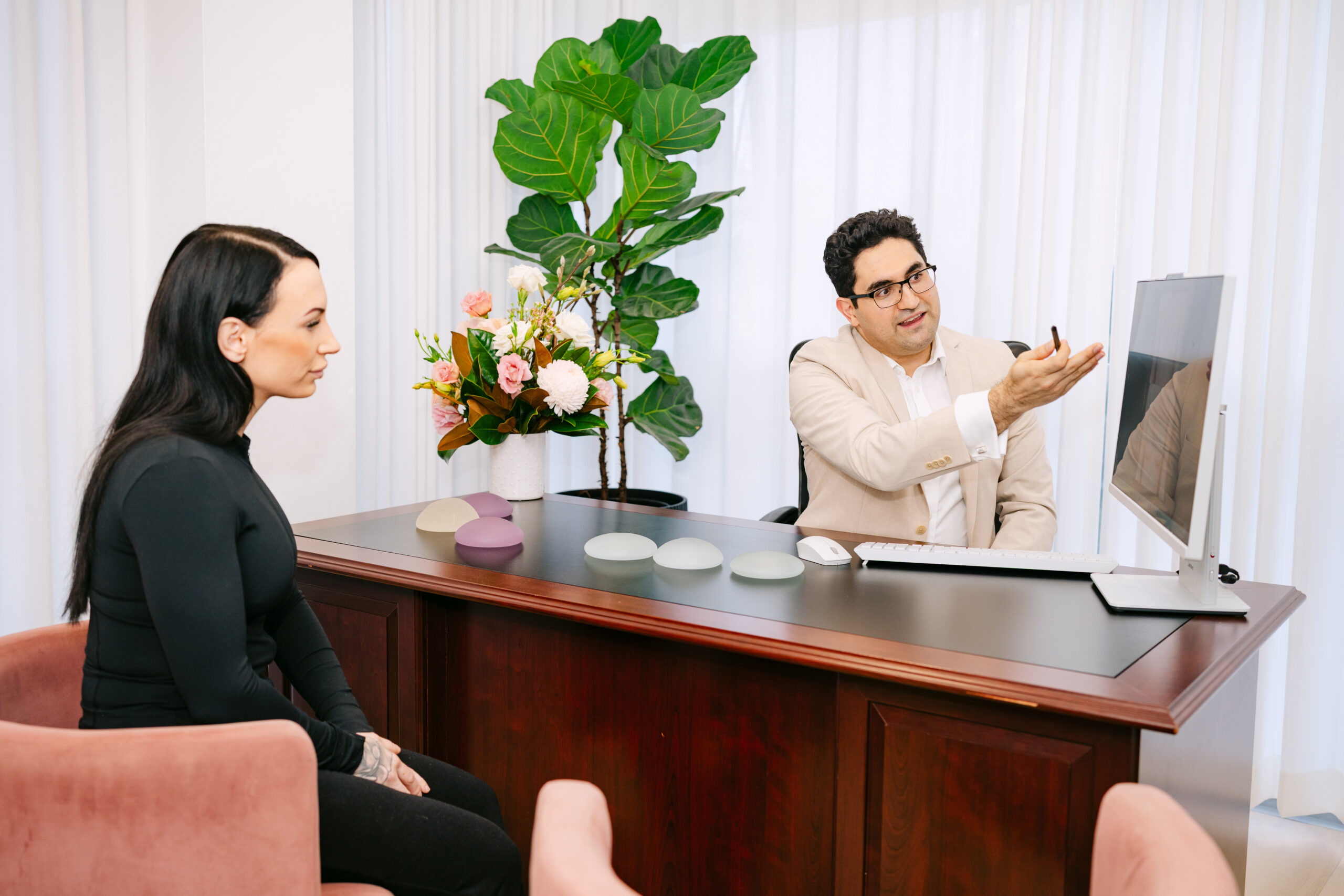
Suitability for breast lift surgery depends on breast anatomy, skin quality, general health and the changes you would like assessed. Your surgeon will also consider whether a breast lift alone can address your concerns or whether augmentation, reduction or another approach should be discussed.
You may be considered for breast lift surgery if you:
Plans for pregnancy, breastfeeding or substantial weight change should be discussed during consultation. These factors do not necessarily prevent surgery, but they may affect its timing and how the breasts change afterwards.
The most suitable breast lift technique depends on the degree of tissue descent, the amount of excess skin, nipple position and the extent of reshaping required. Incision patterns are selected after examining the breasts rather than applying the same technique to every person.
A periareolar breast lift uses an incision around the edge of the areola. It may be considered when the required lift and skin removal are limited. This technique is mostly used for areola reduction and only provides a very limited amount of tissue lift.
A vertical breast lift places an incision around the areola and another extending down to the breast crease. This approach allows more skin removal and tissue reshaping than a periareolar lift without adding an incision along the breast fold. The disadvantage of this technique compared to the anchor technique is that it leaves behind excess vertical laxity in the skin which often requires a secondary removal.
An inverted-T breast lift uses incisions around the areola, vertically down the lower breast and along part of the breast crease. It is the gold standard for breast lift and reduction as it addresses excess skin and gland in both vertical and horizontal vectors.
A breast lift can be combined with breast implants where both breast position and additional volume are being addressed. This may be done in a single stage or two stage procedure with the lift being done first followed by the augmentation after 6 months. Your surgeons would discuss the options with you after examination and your suitability for one versus two stage procedure. Combined surgery changes the procedure, scarring, recovery and risk profile, which will be discussed during consultation.
Breast lift surgery is generally performed under general anaesthesia in an appropriately licensed surgical facility. The anaesthetic plan and whether an overnight stay is recommended will depend on your health, the extent of surgery and whether the breast lift is combined with another procedure.
During your consultation at COSMEX, we will assess your breast shape, skin quality, nipple position and the degree of tissue descent. We will also review your health, medications, previous surgery and any pregnancy, breastfeeding or weight changes that may have affected your breasts.
Your surgeon will explain the recommended breast lift technique, incision placement and expected scarring, along with the potential changes and limitations. The consultation will also cover whether augmentation or reduction should be considered, the relevant risks, recovery, follow-up care and anticipated fees.
Breast lift surgery carries potential risks and complications, which vary according to your health, anatomy, surgical plan, nicotine use and healing response. This is not a complete list, and additional implant-related risks will be explained if the procedure is combined with breast augmentation.
Potential risks and complications may include:
Any surgical or invasive procedure carries risks. This is not a complete list; your surgeon will provide a full explanation relevant to you.
Before surgery, we will provide instructions based on your health, procedure and anaesthetic requirements. Following these directions can help reduce avoidable risks during surgery and recovery. Preparation may include:
Recovery after a breast lift is gradual and differs between individuals. The following timeframes provide general guidance, but your recovery may vary if the breast lift is combined with augmentation, reduction or another procedure.
Dressings and a surgical or support bra may be applied, and drains may be used in some cases. Swelling, bruising and discomfort are expected to varying degrees, while gentle walking may be encouraged.
A follow-up appointment may be used to check the incisions and assess healing. Some people may feel ready to resume desk-based work, while others require more time depending on their recovery and job.
Swelling and bruising may gradually reduce. Lifting, strenuous exercise and movements that place tension on the incisions generally remain restricted.
A broader return to exercise and daily activities may be possible once cleared. The breasts will continue to settle during this period.
Breast shape and scars continue to mature. Scars may soften and fade but remain permanent, while residual swelling or altered sensation may take time to resolve.
The cost of a breast lift depends on the surgical technique, procedure complexity, operating time, facility and whether augmentation, reduction or another procedure is included. After assessing your anatomy and discussing the proposed surgical plan, COSMEX will provide a personalised quotation outlining the applicable surgeon, anaesthetist and hospital fees, along with the follow-up care included.
Starting From
Indicative pricing only
Final exact cost will be confirmed after consultation.
At COSMEX, we provide specialist-led assessment, individualised surgical planning and structured care for people considering breast lift surgery. We will explain the proposed procedure, alternatives, limitations, scarring, recovery and risks so that you can make an informed decision.
Dr Sepehr Lajevardi is a Specialist Plastic and Reconstructive Surgeon with FRACS qualifications and specialist registration in plastic surgery. His practice includes aesthetic breast and body surgery.
Surgical recommendations are based on breast anatomy, skin quality, tissue position and treatment goals. The selected technique and incision pattern will reflect the extent of lifting and reshaping required.
Breast lift procedures are performed in licensed facilities with appropriate anaesthetic support, theatre standards and post-operative monitoring.
Your care continues through planned post-operative reviews and access to the surgical team during recovery. These appointments allow us to assess healing, breast position, swelling and scar development.
Yes. A breast lift can be performed without implants when the aim is to reposition and reshape the existing breast tissue rather than add volume. An implant may be discussed if you're also considering additional fullness, but it is not an automatic part of mastopexy.
A breast lift may improve differences in breast position, shape, nipple level or areola size. However, natural differences in breast tissue, skin and chest structure will remain, so complete symmetry cannot be guaranteed.
Pregnancy and breastfeeding can stretch the skin and change breast volume after a breast lift. If you are planning a pregnancy in the near future, your surgeon may advise waiting, although the timing should be considered alongside your circumstances and treatment goals.
Some people can breastfeed following breast lift surgery, but the procedure may affect milk production or delivery. The likelihood depends partly on the surgical technique and the amount of tissue repositioning, and the ability to breastfeed cannot be guaranteed.
Nipple position is planned according to breast dimensions, the location of the breast crease, tissue distribution and the degree of lifting required. The surgical technique must also account for the blood supply to the nipple and areola.
Temporary numbness, increased sensitivity or altered nipple sensation can occur as the tissues and nerves recover. Sensation may improve over time, but permanent changes are also possible.
A supportive post-operative bra is generally recommended during the initial recovery period. COSMEX will advise which style to use, how long to wear it and when you can return to underwired or less supportive bras.
You will generally need to sleep on your back during the early recovery period to avoid pressure on the breasts and incisions. Side sleeping can resume once your surgeon confirms that healing is sufficiently advanced.
It is better to wait until a significant amount of swelling has settled and the breasts have begun moving towards their later position. Your surgical team can advise when professional bra fitting is appropriate based on your progress.
Breast lift surgery cannot prevent further changes caused by ageing, pregnancy, weight fluctuation or reduced skin elasticity. Maintaining a relatively stable weight may help limit avoidable changes, but the duration of the result cannot be guaranteed.
A medicare benefit may apply for breast lift if the procedure meets a specific Medicare Benefits Schedule item and its clinical criteria. If patients have cover for those item numbers in their private health insurance then the hospital fee may be covered by the health fund and they may be eligible for rebates on the surgical and anaesthetic costs. Eligibility must be confirmed individually, and additional surgeon, anaesthetist and hospital costs may remain.
Whether you are exploring surgery, seeking a second opinion, or simply have questions
about the process, our team is here to guide you.
Call now to speak directly with our team and book a consultation.
Complete our enquiry form and our team will be in touch to guide you through your options and answer any questions you may have.
Schedule a no-obligation phone consultation with our patient concierge team, pricing guidance and any questions you may have.
Use the link below to book non-surgical appointments with our cosmetic practitioners.