
This website contains imagery that is only suitable for audiences 18+. Any surgical or invasive procedure carries risks.
Personalised deep plane facelift surgery tailored to your individual facial anatomy and goals at COSMEX Clinic in Sydney.
Home » Deep Plane Facelift
A deep plane facelift is a form of facelift surgery (rhytidectomy) that repositions the deeper supporting tissues of the midface and lower face. Your surgeon works beneath the superficial musculoaponeurotic system (SMAS), releasing selected retaining ligaments so the skin and underlying tissues can be repositioned together rather than tightening the skin alone. The extent of treatment is determined through a detailed assessment of your facial anatomy.
Browse deep plane facelift before and after photographs from individuals treated at COSMEX. These images can show how outcomes differ according to facial structure, skin quality, the extent of tissue descent, the surgical plan and the stage of recovery at which each photograph was taken.
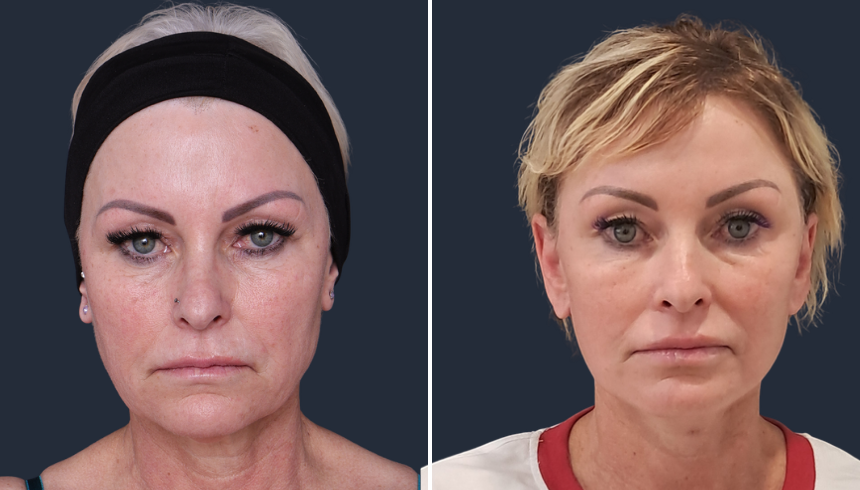
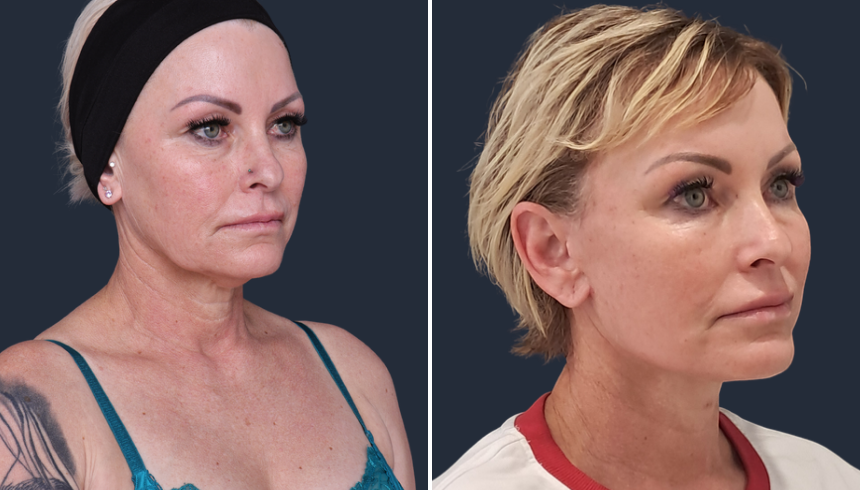
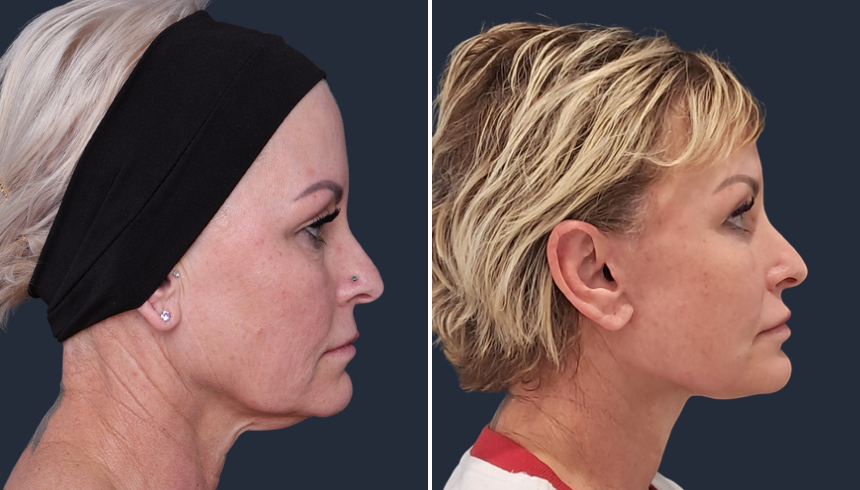
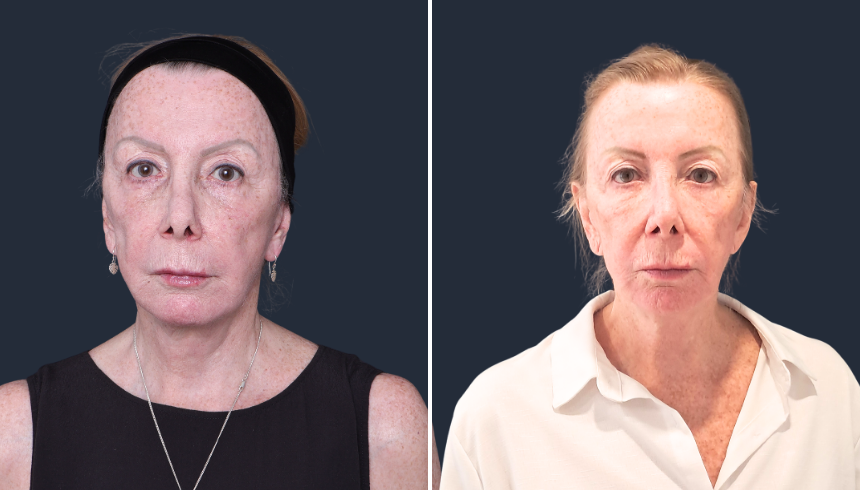
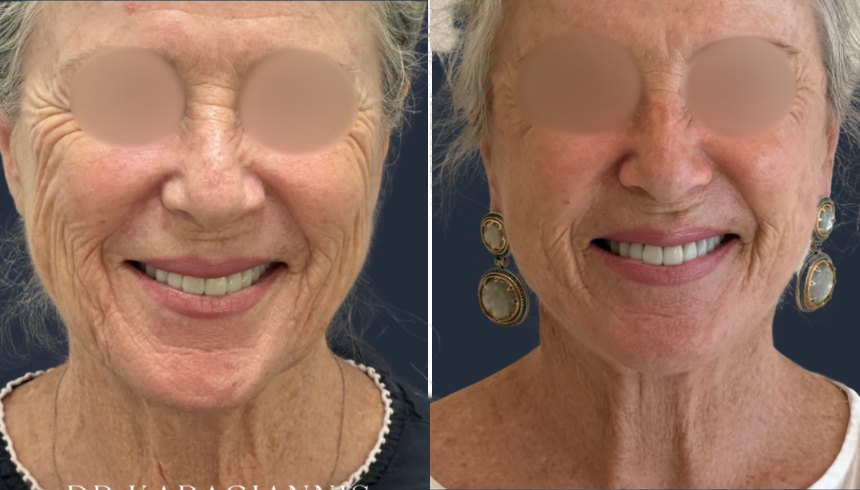
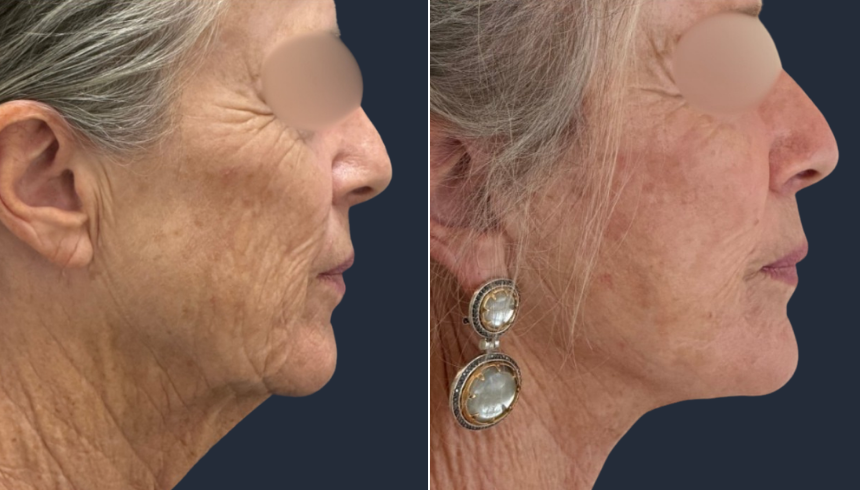
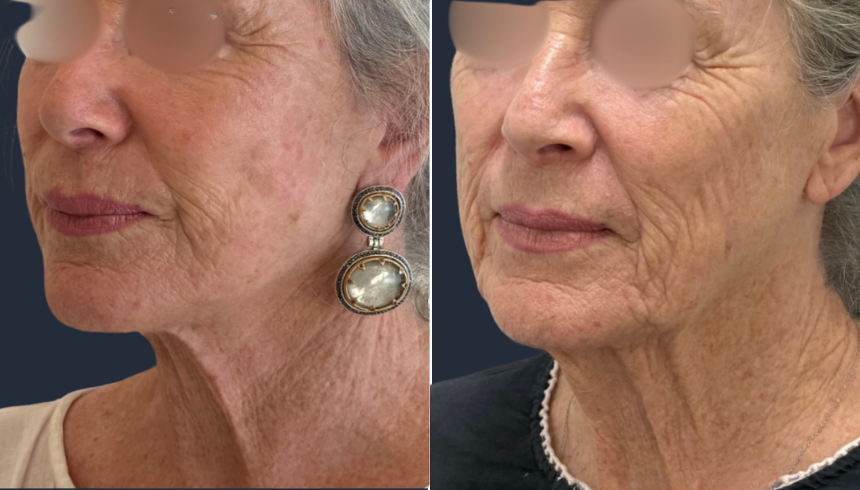
The outcomes shown relate only to the individual patient and do not necessarily reflect the results other patients may experience. Results vary due to many factors, including genetics, skin quality, surgical approach, diet, exercise and healing response. These images are not intended to guarantee or predict the outcome of any procedure.
Facelift techniques differ in how the surgeon accesses and repositions the deeper supporting tissues of the face. A deep plane facelift involves working beneath the SMAS and releasing selected facial retaining ligaments. Other techniques may tighten, fold or reposition the SMAS without using the same extent of deeper tissue release.
A mini facelift generally uses a more limited approach and may be considered where lower-face laxity is less extensive. One technique is not automatically more appropriate than another, and the recommended approach depends on facial anatomy, skin quality, tissue descent, medical history and the areas being treated.
At COSMEX, your surgery is planned around the relationship between the cheeks, lower face, jawline and neck. The procedure is performed through incisions placed around the natural contours of the ear and hairline. Once the deeper facial tissues have been repositioned, the skin is redraped, and any excess is removed before the surgical sites are closed.
Treatment may focus on the midface and lower face or form part of a combined face and neck lift. Dressings may be applied after surgery, and an overnight hospital stay may be recommended depending on the extent of treatment and your individual medical needs. All facelift surgery results in permanent scars, although their expected location and visibility will be discussed during consultation.









Where clinically appropriate, a deep plane facelift may help address connected changes across the midface and lower face. The degree of change varies according to facial structure, skin quality, the extent of tissue descent, surgical planning and individual healing.
Potential benefits may include:
At COSMEX, we assess suitability according to facial anatomy and the degree and location of tissue descent rather than age alone. Your general health, skin quality, medical history, previous facial procedures and expectations will also influence whether a deep plane facelift may be appropriate.
You may be considered for deep plane facelift surgery if you:
At COSMEX, we plan your surgical approach after examining the cheeks, lower face, jawline and neck as connected areas. Your surgeon will explain which tissues will be repositioned, whether additional neck treatment should be considered and where the resulting scars are expected to sit.
Your surgeon works beneath the SMAS and carefully releases selected retaining ligaments. This allows the descended facial tissues to be mobilised while protecting the surrounding anatomical structures.
Once the necessary tissues have been released, the skin, subcutaneous tissue and SMAS are repositioned together. The direction and degree of movement are planned around your facial structure and the areas being treated.
The skin is redraped over the repositioned facial tissues, and any excess skin is removed where required. The surgical sites are then closed around the hairline and natural contours of the ear. Scars remain permanent, although their appearance generally changes as healing progresses.
A deep plane facelift does not automatically include the same neck treatment for everyone. If you also have loose neck skin, platysmal banding or localised fat beneath the chin, your surgeon may discuss a neck lift, platysmaplasty, liposuction or a combination approach.
Deep plane facelift surgery is generally performed under general anaesthesia in an appropriately licensed facility. Your anaesthetic plan will be based on the extent of surgery, your medical history, individual risk factors and whether another procedure is being performed at the same time.
During your consultation at COSMEX, we will assess your facial anatomy, discuss the changes you would like addressed and determine whether a deep plane facelift or another approach may be suitable. You will also have the opportunity to ask questions and understand the potential limitations and risks before making a decision.
Your consultation will cover:
Deep plane facelift surgery carries potential risks and complications. Their likelihood and severity vary according to medical history, anatomy, the extent of surgery, surgical technique, nicotine use, healing response and other individual factors.
Potential risks and complications may include:
This is not a complete list of every possible complication. Your surgeon will explain the risks relevant to your health and surgical plan, along with how complications would be managed if they occurred.

Before surgery, we will provide instructions based on your health, procedure and anaesthetic requirements. Following this guidance can help reduce avoidable risks and support the planned recovery process. Preparation may include:
Recovery following a deep plane facelift is gradual and varies between individuals. Swelling, bruising, tightness and altered sensation can occur, so the face should not be judged during the early stages of healing. Always follow the specific instructions provided by your surgical team.
Dressings may be used during the initial recovery period. Swelling, bruising, tightness and discomfort are expected to varying degrees, while rest and gentle movement will be encouraged according to your surgeon’s advice.
Early healing continues, and a follow-up appointment may be used to assess the surgical sites and remove non-dissolving sutures or clips where applicable. Some people may feel ready for quiet desk-based duties, while others require more time, particularly in public-facing roles.
Bruising and swelling may gradually decrease, although residual swelling, numbness and tightness can remain. Activity can be increased according to your surgeon’s instructions, but strenuous exercise and heavy lifting may still be restricted.
A broader return to exercise and daily activities may be possible once clearance has been provided. The facial tissues continue to settle, and some swelling or altered sensation may still be present.
Tissue settling and scar maturation continue over several months. Scars may soften and fade but remain permanent, while changes in sensation may take time to resolve.
The cost of a deep plane facelift depends on the complexity and extent of surgery, operating time and whether neck treatment or another procedure is included. After your consultation, you will receive a personalised quotation detailing the surgeon, anaesthetist and hospital fees associated with your treatment plan.
Starting From
Indicative pricing only
Final exact cost will be confirmed after consultation.
COSMEX provides specialist-led assessment, individualised surgical planning and structured care for people considering deep plane facelift surgery. We will explain the proposed procedure, alternatives, limitations, recovery and risks so that you have the information needed to consider your options.
Dr Phaethon Karagiannis is an Australian-trained Specialist Plastic and Reconstructive Surgeon with FRACS qualifications and specialist registration in plastic surgery. His post-fellowship training includes advanced facial rejuvenation and facelift techniques undertaken across Australia, the United Kingdom and Europe.
We consider facial structure, tissue position, skin quality and the relationship between the face and neck when planning surgery. Recommendations are based on your anatomy and clinical assessment rather than a fixed surgical package.
Deep plane facelift procedures are performed in licensed, accredited facilities with appropriate anaesthetic support, theatre standards and post-operative monitoring.
Your care continues after surgery through planned reviews and access to the surgical team during recovery. These appointments allow us to assess healing, swelling and scarring and address any concerns that arise.
There is no single recommended age for deep plane facelift surgery because facial tissues do not change at the same rate for everyone. Suitability depends more on facial anatomy, the location and extent of tissue descent, skin quality, general health and treatment goals.
Scars are generally positioned around the natural contours of the ear and may extend into the hairline, depending on the surgical approach. All scars are permanent, and their eventual appearance varies according to skin characteristics, placement, aftercare and individual healing.
Discomfort, tightness, swelling, bruising and altered sensation may occur during early recovery. You will receive a post-operative pain-management plan, but the intensity and duration of discomfort differ between individuals.
Not necessarily. Neck lift surgery may be included where loose neck skin, platysmal banding or another neck concern would benefit from treatment, but the need for combined surgery is determined during consultation.
A deep plane facelift may be combined with eyelid surgery, brow lift surgery or another facial procedure where combination treatment is clinically appropriate. Combining procedures can change the operating time, recovery and risk profile, which your surgeon will discuss with you.
A deep plane facelift repositions deeper facial tissues and is not primarily a skin resurfacing treatment. Fine lines, pigmentation, sun damage and surface texture may require separate assessment and may not change significantly following facelift surgery.
A deep plane facelift cannot stop the ageing process, and a particular duration cannot be guaranteed. Genetics, skin quality, weight change, sun exposure, smoking and the passage of time can all influence how the face changes after surgery.
The appropriate time away from work depends on healing, the nature of your job and how comfortable you are with visible swelling or bruising. Some people may return to quiet desk-based work after approximately two weeks, while others need longer before resuming professional or public-facing duties.
Gentle walking may be encouraged during early recovery, but strenuous activity, bending and heavy lifting are generally restricted initially. Your surgeon will gradually clear you for broader exercise based on healing and the extent of surgery.
Deep plane facelift surgery may be considered for suitable adults of any gender. Planning for men may account for beard-bearing skin, hairline and sideburn position, skin characteristics and differences in facial structure.
Whether you are exploring surgery, seeking a second opinion, or simply have questions
about the process, our team is here to guide you.
Call now to speak directly with our team and book a consultation.
Complete our enquiry form and our team will be in touch to guide you through your options and answer any questions you may have.
Schedule a no-obligation phone consultation with our patient concierge team, pricing guidance and any questions you may have.
Use the link below to book non-surgical appointments with our cosmetic practitioners.