This website contains imagery that is only suitable for audiences 18+. Any surgical or invasive procedure carries risks.
Home » Asian Breast Augmentation
Asian breast augmentation is a term used to describe breast augmentation surgery for patients of Asian heritage. As with all breast augmentation procedures, surgical planning is based on each patient’s individual breast anatomy, chest dimensions, existing breast tissue and preferences.
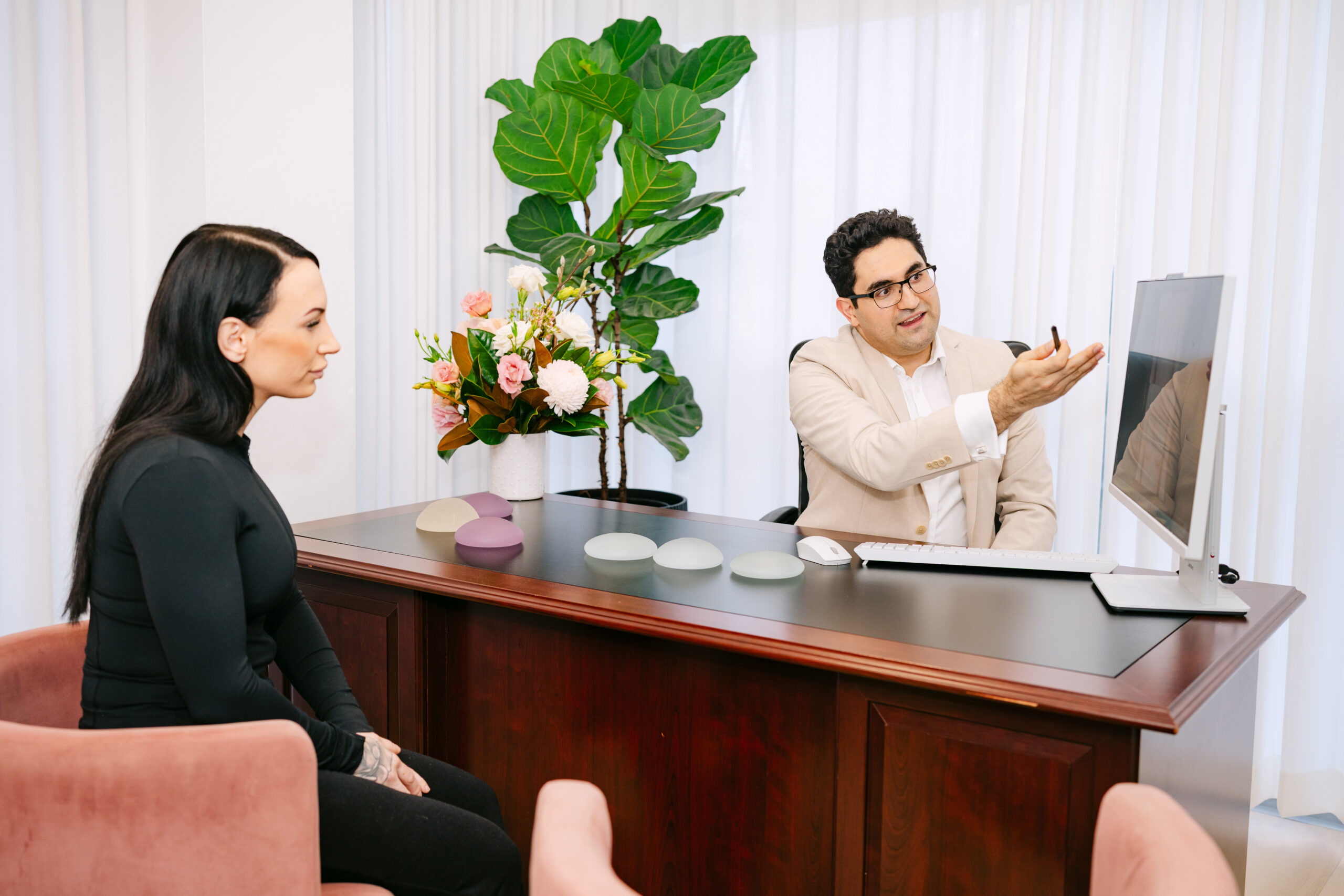
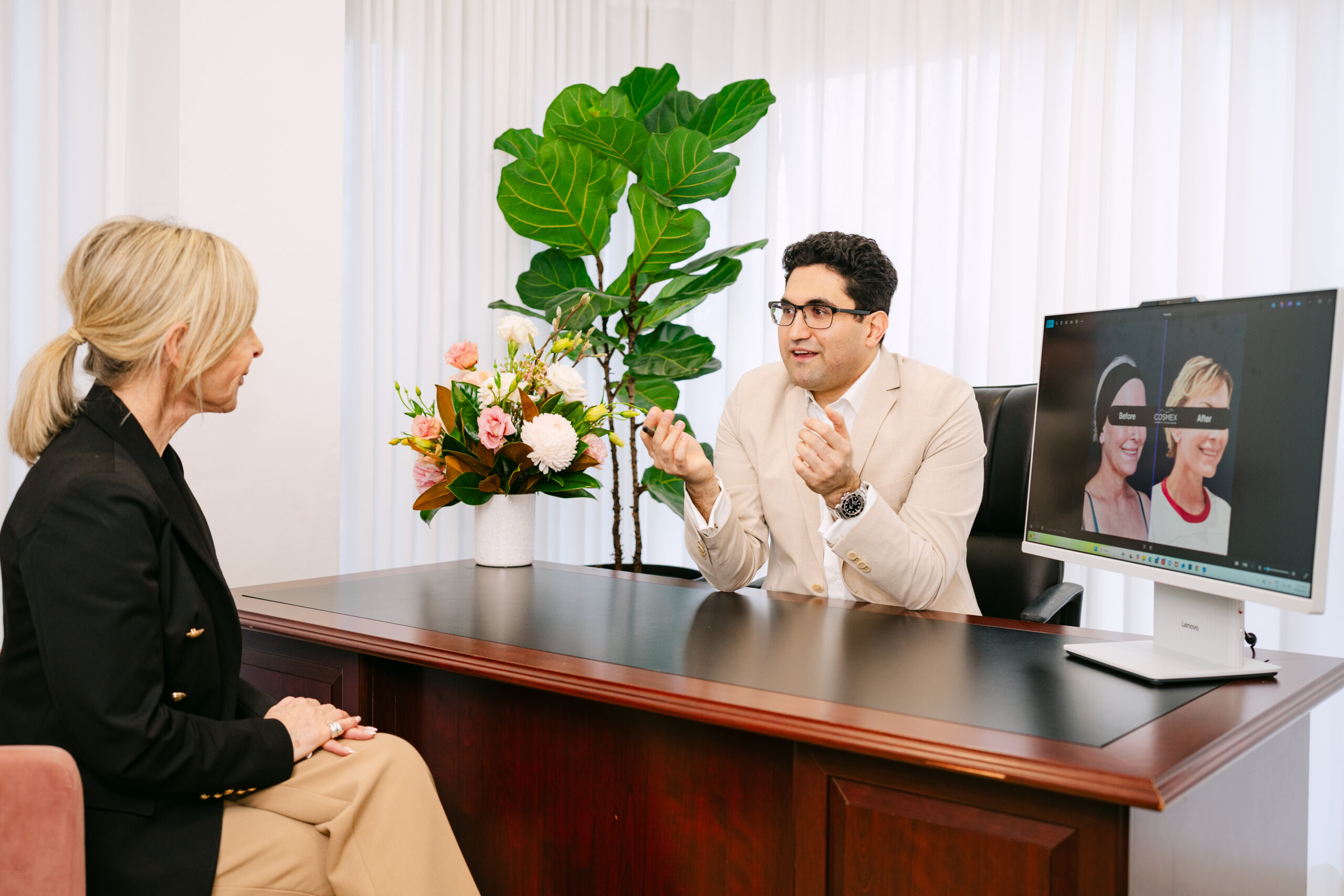
At COSMEX in Sydney, Dr Sepehr Lajevardi, Specialist Plastic Surgeon, provides consultations to assess the available surgical options, discuss implant selection and explain the potential risks and limitations of breast augmentation.
The aim of the consultation is to develop an individualised surgical plan based on the patient’s anatomy and clinical circumstances.
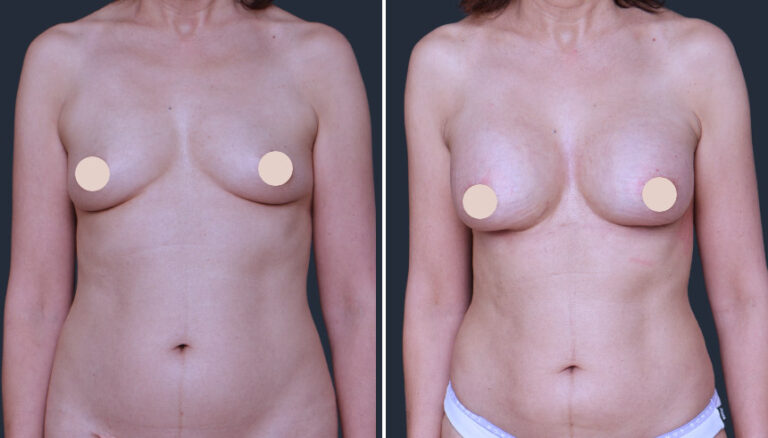
Browse breast augmentation before and after photos from patients treated at COSMEX in Sydney. These breast augmentation before and after images show the range of concerns we assess.
Procedure: Breast Augmentation, 220 CC
Recovery Timeline: 3 weeks
Implant Type: Preservé implant , Motiva
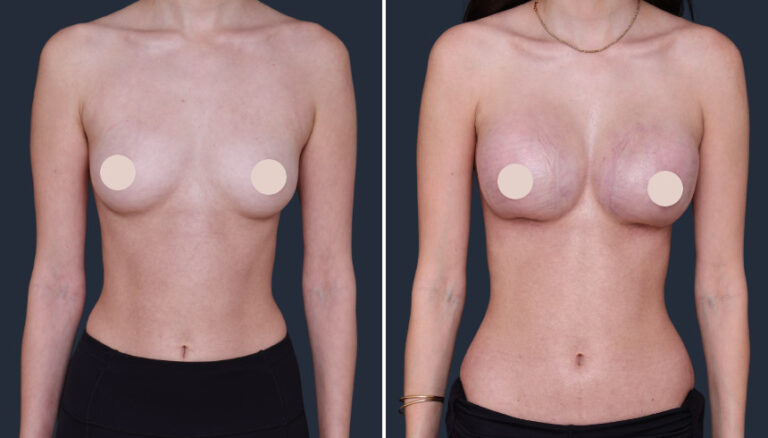
Procedure: Breast Augmentation, 285 CC
Recovery Timeline: 2 weeks
Implant Type: Preservé implant , Motiva
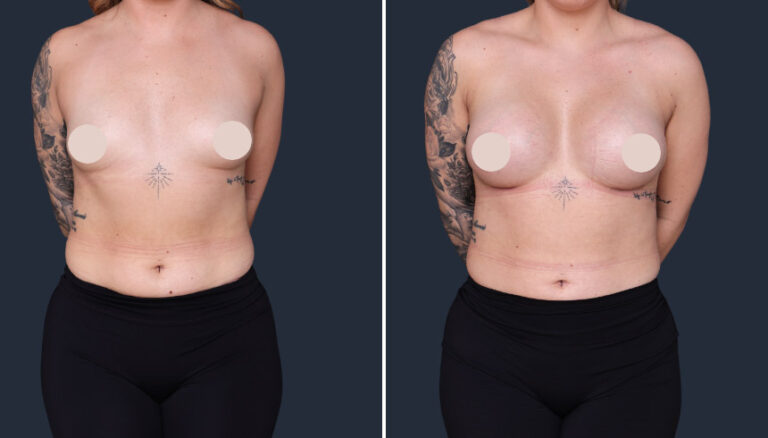
Procedure: Breast Augmentation
Recovery Timeline: 6 weeks
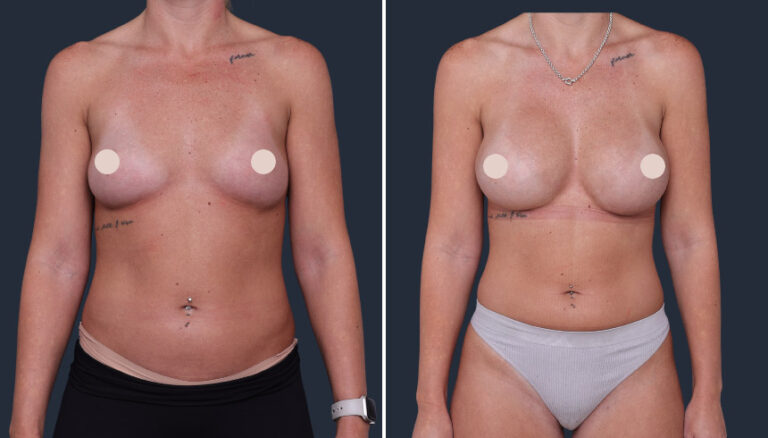
Recovery Timeline: 3 Months
Procedure: Breast Augmentation
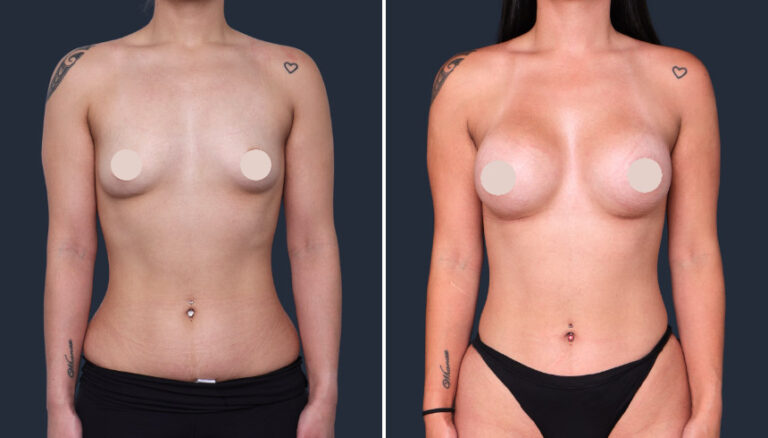
Recovery Timeline: 2 Years
Procedure: Breast Augmentation, Fat Grafting
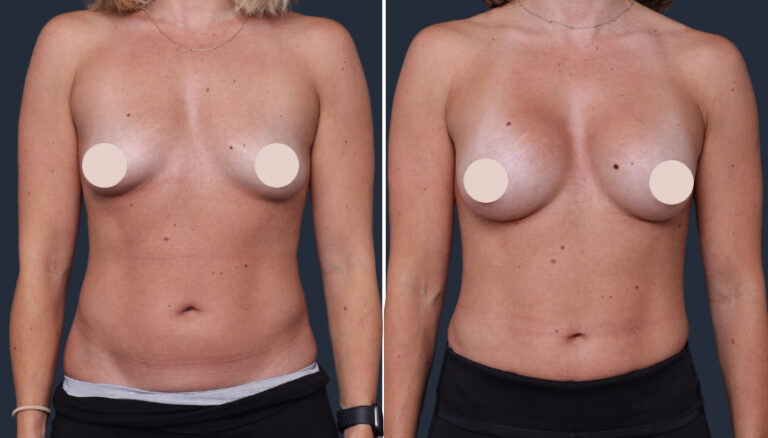
Procedure: Breast Augmentation
Recovery Timeline: 1 year
The outcomes shown relate only to the individual patient and do not necessarily reflect the results other patients may experience. Results vary due to many factors, including genetics, skin quality, surgical approach, diet, exercise and healing response. These images are not intended to guarantee or predict the outcome of any procedure.
Breast anatomy varies significantly between individuals, including patients of Asian heritage.
Some patients may have anatomical characteristics that require particular consideration during breast augmentation planning, such as:
These characteristics are not specific to all Asian patients, and ethnicity alone does not determine which surgical approach is appropriate.
A detailed clinical assessment is required to determine the most suitable implant dimensions, placement and incision technique.
Selecting breast implants involves more than choosing an implant volume.
During consultation, Dr Lajevardi assesses several factors, including chest width, existing breast tissue, skin elasticity and the desired change in breast volume.
Implant Size and Projection
Breast implants are available in different volumes, widths and projection profiles.
For patients with a narrower chest wall or limited existing breast tissue, implant dimensions require careful assessment. Selecting an implant that is not appropriately matched to the available tissue and chest dimensions may increase the risk of implant visibility, rippling or displacement.
The relationship between implant width, projection and existing breast anatomy influences the postoperative breast shape.
Round and Anatomical Implants
Round implants and anatomical (teardrop-shaped) implants have different design characteristics.
The suitability of each implant type depends on the patient’s anatomy, surgical technique and individual circumstances.
During consultation, the characteristics, limitations and potential complications of the proposed implants are discussed.
Implants can be positioned in different anatomical planes depending on the amount of existing breast tissue, chest muscle characteristics and surgical assessment.
Subglandular Placement
The implant is placed behind the breast tissue and in front of the pectoral muscle.
This approach may be considered for patients with sufficient breast tissue coverage, depending on other anatomical and clinical factors.
Submuscular and Dual-Plane Placement
Submuscular placement involves positioning the implant beneath the pectoral muscle, while dual-plane techniques combine partial muscle coverage with adjustments to the surrounding breast tissue.
For some patients with limited existing breast tissue, these approaches may provide additional implant coverage in the upper breast.
However, each technique has advantages, limitations and potential complications. These may include differences in postoperative discomfort, implant movement and visible changes in breast shape during muscle contraction.
The appropriate surgical plane is determined through an individual assessment.
Incision placement is an important consideration in breast augmentation surgery.
Common incision options include:
Inframammary Incision
An incision positioned within or near the natural breast crease.
Periareolar Incision
An incision made along part of the border of the areola.
Transaxillary Incision
An incision positioned in the armpit.
The choice of incision depends on breast anatomy, implant characteristics, the surgical technique and the associated risks.
Scarring Considerations for Asian Skin
Some individuals, including people with certain Asian skin types, may have a greater tendency towards post-inflammatory hyperpigmentation or raised scars.
However, scar formation varies substantially between patients and cannot be predicted based on ethnicity alone.
Factors including skin characteristics, genetics, wound healing and personal history of hypertrophic or keloid scarring may influence the appearance of surgical scars.
All breast augmentation procedures leave permanent scars, and no surgical technique can guarantee that scars will be minimal or inconspicuous.
Patients with a history of abnormal scarring should discuss this during their consultation.


At COSMEX, breast augmentation planning is based on individual anatomical measurements and medical assessment.
The consultation may involve:
Patients are also provided with information regarding alternative procedures and the option not to undergo surgery.
Recovery following breast augmentation varies between individuals and depends on the surgical technique, implant placement and individual healing response.
Common postoperative experiences include swelling, bruising, chest tightness and discomfort.
Some patients may be able to return to light daily activities within approximately one to two weeks, depending on their recovery and work requirements.
Heavy lifting, strenuous exercise and certain upper-body movements may need to be restricted for several weeks or longer.
Swelling may take several months to settle, and surgical scars can continue changing over an extended period.
Patients receive postoperative instructions and follow-up care to monitor healing and identify any concerns.
As with any surgical procedure, breast augmentation carries risks. The decision to proceed should be made after a thorough consultation with a qualified specialist surgeon. The following summarises potential risks; a comprehensive, individualised discussion happens at your consultation, and you can read more about surgical risk.
Potential risks and complications may include:
Any surgical or invasive procedure carries risks. This is not a complete list; your surgeon will explain the risks specific to you.
Once your treatment plan is agreed, preparation typically includes:
Recovery varies between individuals. The milestones below are a guide only; always follow your surgeon's specific post-operative instructions.
The cost of asian breast augmentation varies whether additional procedures (such as a fat grafting or breast lift) are recommended. A personalised quote is provided after your consultation, once your anatomy has been assessed and your goals discussed. The quote typically includes surgeon fees, anaesthetic fees, facility fees and implant costs.
Purely cosmetic breast augmentation is generally not covered by Medicare or private health insurance in Australia. Any question of a rebate is assessed against strict criteria at consultation. All fees are outlined before you decide to proceed.
Starting from: $9990 (all inclusive – Hospital, Surgeon, Anaesthetic, Implants, Assistant, Garment, pre and post op visits, complementary LED and Lymphatic Massage treatments).
Starting From
Indicative pricing only
Final exact cost will be confirmed after consultation.
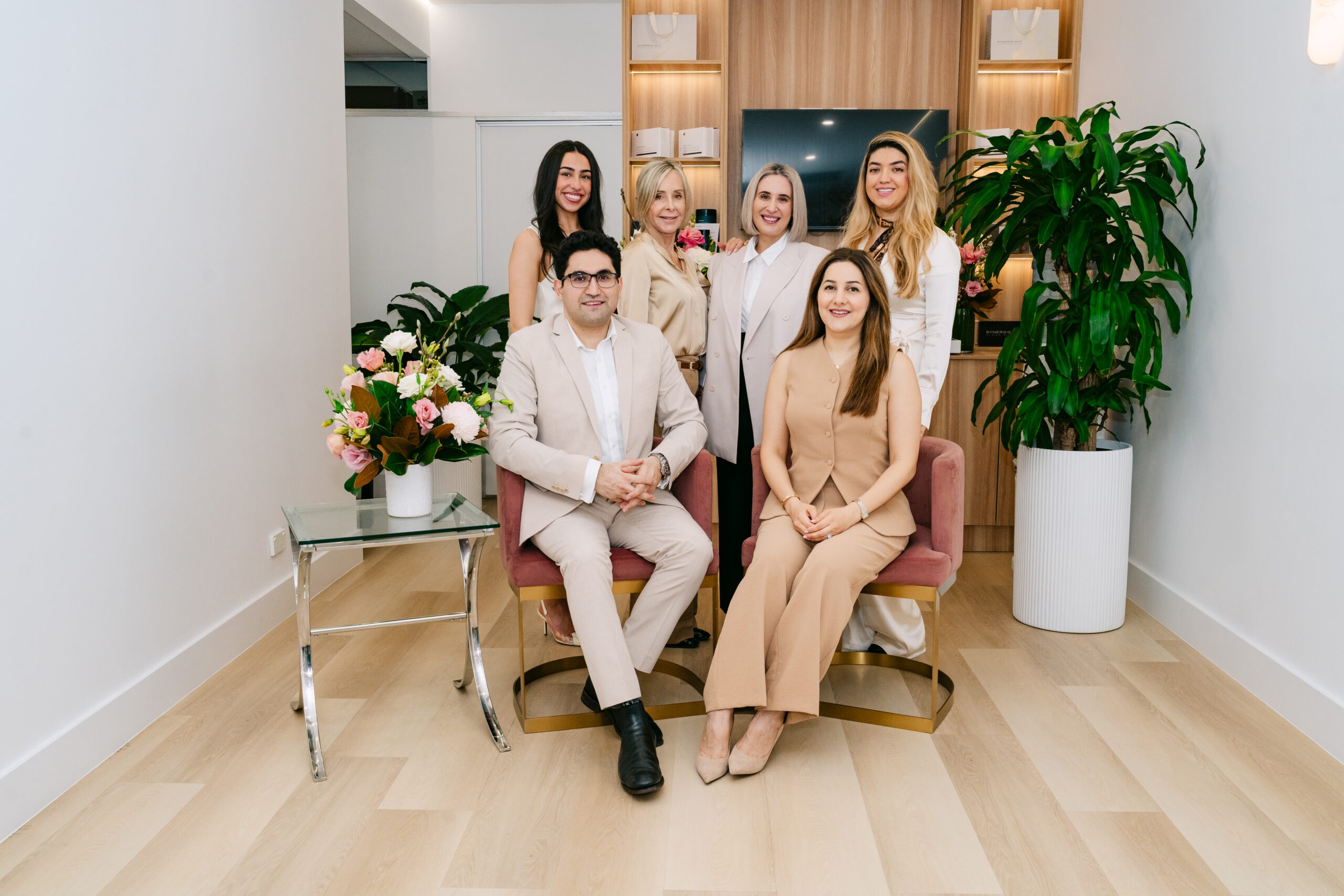
At COSMEX, we combine surgical expertise with personalised care. Your safety, comfort and understanding are the priority at every stage.
Our surgeons hold Fellowship of the Royal Australasian College of Surgeons (FRACS) in Plastic and Reconstructive Surgery. They are board certified cosmetic plastic surgeons sub-specilising in cosmetic surgery of the breast. You are welcome to verify your surgeon’s credentials via the AHPRA public register and on ANZBCPS, ASAPS, ASPS, RACS, and AHPRA.
All procedures are performed in licensed, accredited hospitals meeting Australian standards for theatre safety, anaesthesia, infection control and emergency care.
Every plan follows a thorough one-on-one consultation assessing your anatomy, concerns, goals and medical history. You receive a personalised implant recommendation, not a standardised package.
Your care continues well beyond surgery, with scheduled follow-ups, access to your surgical team during recovery, and long-term implant monitoring where clinically indicated.
The fundamental surgical principles are the same. However, each patient's anatomy, tissue characteristics, chest dimensions and preferences may affect implant selection and surgical planning. Ethnicity alone does not determine the technique.
There is no single implant type or size suitable for all Asian patients. Implant selection depends on individual chest measurements, breast tissue coverage, skin characteristics and clinical assessment.
A smaller body frame does not necessarily prevent breast augmentation. However, implant dimensions and the amount of available breast tissue need to be assessed to determine whether surgery is appropriate and which options may be considered.
All breast augmentation procedures result in permanent scars. Their appearance depends on incision placement, individual skin characteristics and healing. Some patients may develop raised scars or pigmentation changes.
Recovery varies. Light activities may be possible within one to two weeks for some patients, while more physically demanding activities may require additional recovery time. Complete healing can take several months.
Breast augmentation may address some differences in breast volume. However, it cannot guarantee complete symmetry, and some patients may require additional or alternative surgical techniques.
Whether you are exploring surgery, seeking a second opinion, or simply have questions
about the process, our team is here to guide you.
Call now to speak directly with our team and book a consultation.
Complete our enquiry form and our team will be in touch to guide you through your options and answer any questions you may have.
Schedule a no-obligation phone consultation with our patient concierge team, pricing guidance and any questions you may have.
Use the link below to book non-surgical appointments with our cosmetic practitioners.