This website contains imagery that is only suitable for audiences 18+. Any surgical or invasive procedure carries risks.
Home » Breast Augmentation
Breast augmentation, medically known as augmentation mammoplasty, is a surgical procedure that uses breast implants to change breast size, shape and projection. Implants may be silicone or saline, and may be placed under the breast tissue or partially or fully under the chest (pectoral) muscle, depending on your anatomy and surgical plan.
Breast augmentation is often considered to increase breast volume, improve balance between the breasts, or restore fullness lost after pregnancy, breastfeeding or weight change. It is major surgery performed under general anaesthesia, and all surgery results in permanent scars. A consultation is required to assess your suitability and to discuss implant options, expected changes and their limitations, scarring, risks, recovery and alternatives.
Browse breast augmentation before and after photos from patients treated at COSMEX in Sydney. These breast implant before and after images show a range of implant sizes, profiles and placements, helping you understand how outcomes vary with body frame, existing breast tissue and implant choice.
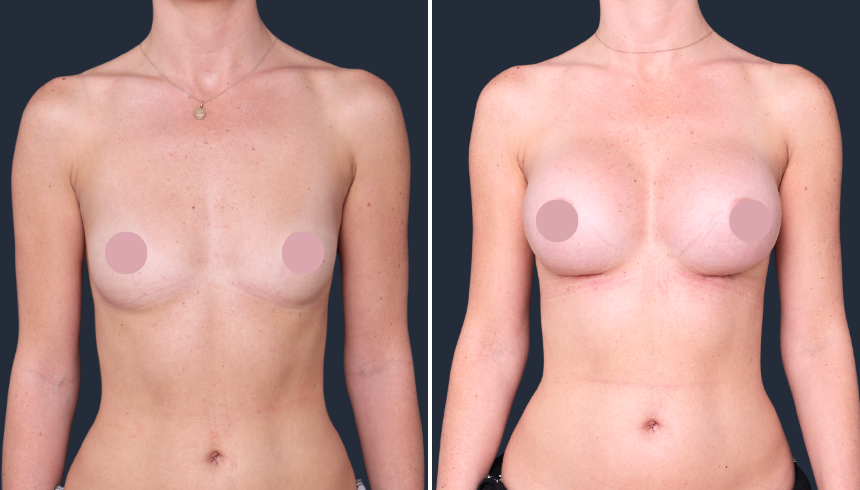
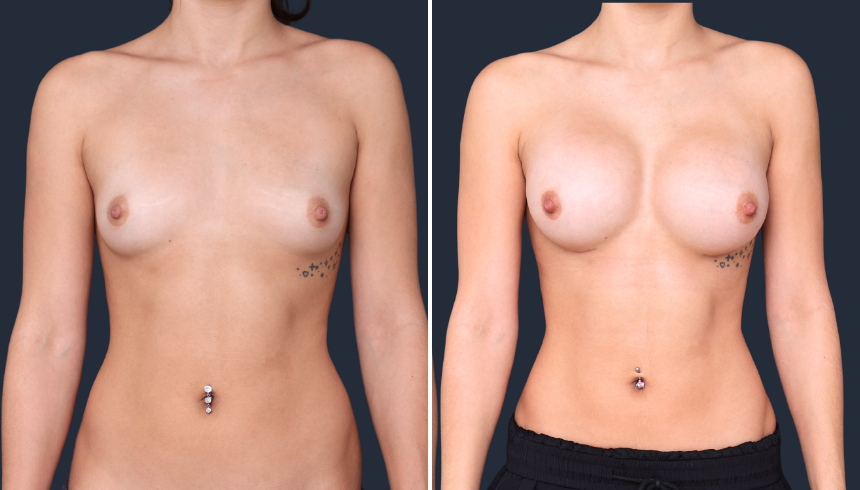
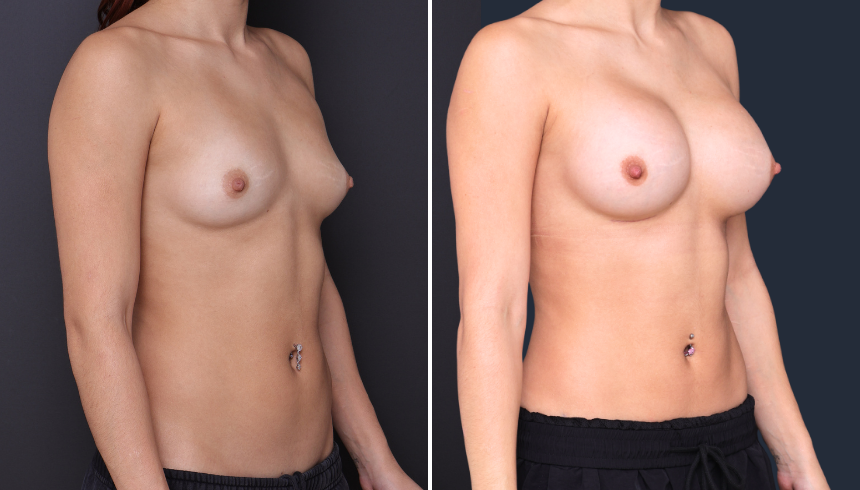
The outcomes shown relate only to the individual patient and do not necessarily reflect the results other patients may experience. Results vary due to many factors, including anatomy, skin quality, implant selection, surgical approach and healing response. These images are not intended to guarantee or predict the outcome of any procedure.
There is no single “best” breast implant. The right choice depends on your body frame, existing breast tissue, skin quality and the look you are hoping to achieve. During your consultation, your surgeon will explain the options and recommend what suits your anatomy.
Silicone gel implants – filled with a cohesive silicone gel that many patients feel resembles natural breast tissue. Widely used in Australia.
Saline implants – filled with sterile salt water. A leak or rupture is usually noticeable as a change in size.
Round vs anatomical (teardrop) implants – round implants tend to add more fullness to the upper breast, while anatomical (teardrop) implants are shaped to mimic a natural slope. Suitability depends on your goals and tissue.
Implant profile and size – profile (how far the implant projects) and volume (measured in cc) are matched to your chest width and frame. Larger is not always better; oversizing can increase certain risks over time.
Breast implants are not considered lifetime devices and may need replacement or removal in the future. Your surgeon will discuss brands, warranties and long-term monitoring. You may also wish to read about breast implant removal and revision.
Breast augmentation involves inserting breast implants to alter breast volume, contour and projection. Surgical planning is individualised and considers factors such as chest width, breast tissue characteristics, skin quality and your desired size range.
The procedure is performed by a FRACS qualified board certified specialist cosmetic plastic surgeon in an accredited hospital, under general anaesthesia. An incision is made in a planned location (see placement options below), a pocket is created either in front of or behind the chest muscle, and the implant is positioned within it. Surgery typically takes 1–2 hours, and many patients go home the same day or after a short overnight stay.
If you have significant sagging (ptosis) as well as volume loss, augmentation alone may not lift the breast. In that case a breast lift (mastopexy) may be discussed, sometimes combined with augmentation. Your surgeon will advise what is appropriate.







Where clinically appropriate, breast augmentation may change breast volume, contour and projection. Individual outcomes vary depending on anatomy, implant selection and surgical approach, and benefits should be weighed against the risks and recovery involved.
Potential benefits your surgeon may discuss include:
Breast augmentation does not lift significantly sagging breasts on its own, and does not stop future changes from ageing, pregnancy or weight fluctuation.
A suitable candidate is generally a physically healthy adult with fully developed breasts and realistic expectations about variability in results, recovery, scarring and the possibility of future surgery. A consultation is required to confirm suitability, review your medical history, and discuss implant considerations and long-term monitoring.
You may be a candidate for breast augmentation if you:
The specific surgical approach is selected based on your anatomy, goals and clinical assessment. Your surgeon will explain the recommended incision and placement, expected scarring, and the trade-offs of each option during your consultation.
Breast augmentation is commonly performed under general anaesthesia. The anaesthesia plan depends on the surgical approach, your individual health factors and the operating facility’s protocols, and is discussed and confirmed during your consultation with your surgeon and anaesthetist.
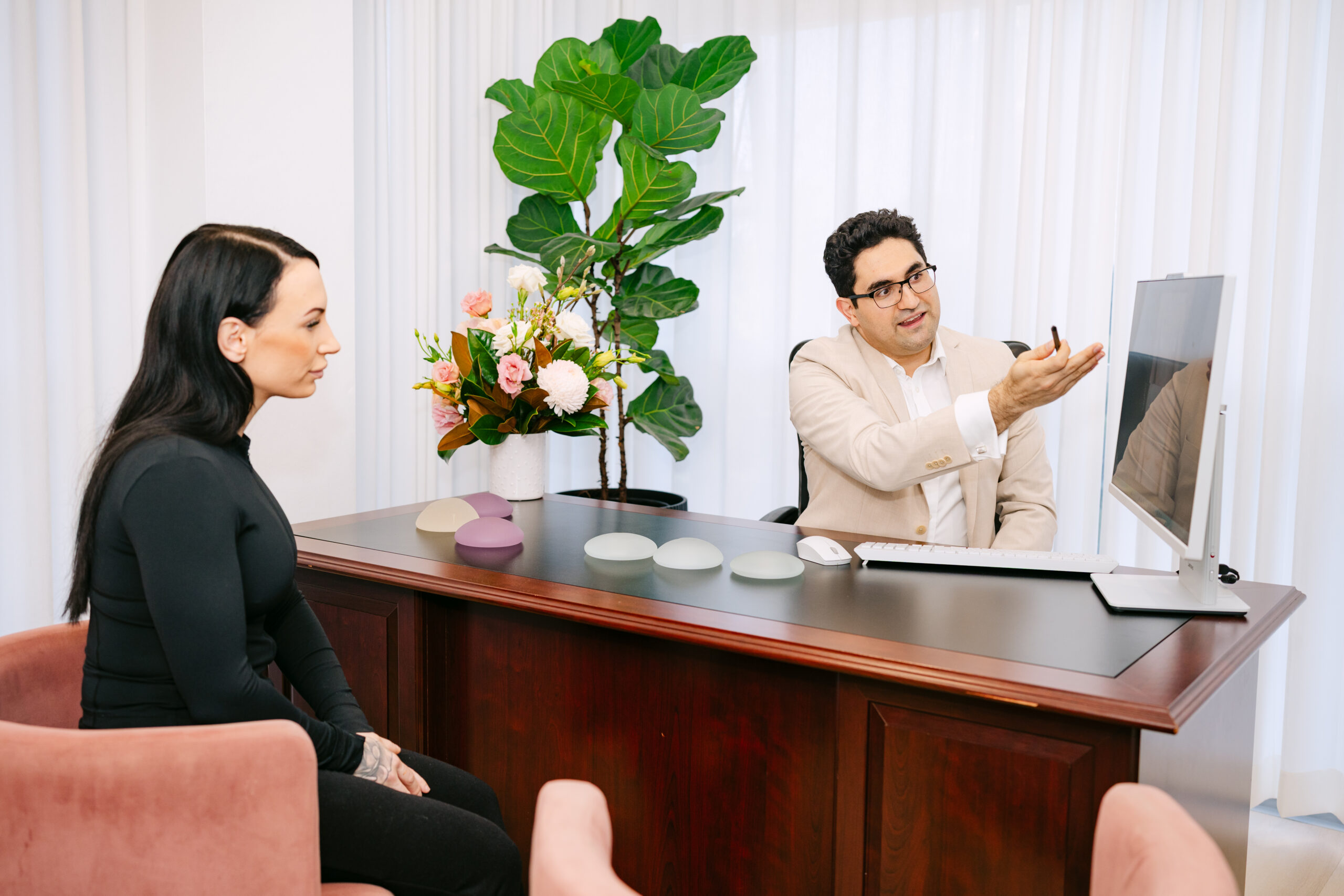
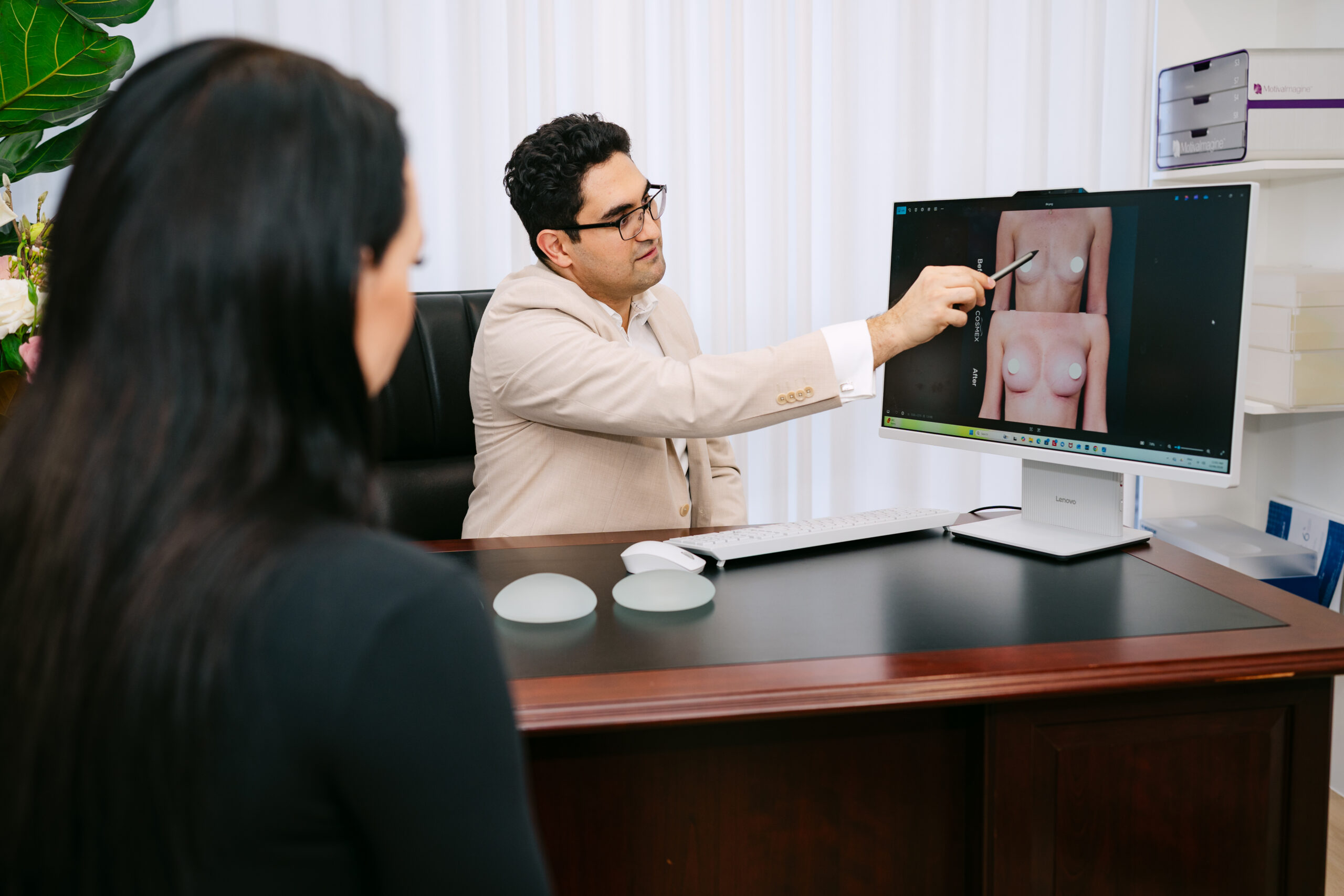
A consultation is required before any surgery, and it is where your suitability is confirmed. Your surgeon will cover:
As with any surgical procedure, breast augmentation carries risks. The decision to proceed should be made after a thorough consultation with a qualified specialist surgeon. The following summarises potential risks; a comprehensive, individualised discussion happens at your consultation, and you can read more about surgical risk.
Potential risks and complications may include:
Any surgical or invasive procedure carries risks. This is not a complete list; your surgeon will explain the risks specific to you.
Once your treatment plan is agreed, preparation typically includes:
Recovery varies between individuals. The milestones below are a guide only; always follow your surgeon's specific post-operative instructions.
Monitored in recovery; drowsiness, nausea and chest tightness may occur; a support bra is applied. You can walk gently and undertake normal day to day activities. Many people take about a week off work and return to light duties. It's best to stay active as this would help reduce discomfort. Written aftercare instructions are provided.
You will feel more mobile, discomfort varies and is managed per your care plan. You can start undertaking gentle lower body exercise but avoid getting hot and sweaty. First dressing change is approximately around 2 weeks post surgery. You can start having Lymphatic Massage.
Swelling and bruising will gradually decrease; you can return to gentle exercise; avoid heavy lifting Most patients return to most of their day to day activities. You will start scar massage once your wound has fully healed with scar balm and then silicone.
You can return to light upper body exercise; some swelling may persist; continue with your scar care.
Implants settle into a more natural position ("drop and fluff") and swelling continues to subside; scars mature (may take up to 18 months). You will continue doing scar treatment until scars are fully mature. Return to full activity depends on healing and clinical review.
The cost of breast augmentation varies with the implant type, placement approach and whether additional procedures (such as a breast lift) are recommended. A personalised quote is provided after your consultation, once your anatomy has been assessed and your goals discussed. The quote typically includes surgeon fees, anaesthetic fees, facility fees and implant costs.
Purely cosmetic breast augmentation is generally not covered by Medicare or private health insurance in Australia. Any question of a rebate is assessed against strict criteria at consultation. All fees are outlined before you decide to proceed.
Starting From
(all inclusive package for round implants - Hospital, Surgeon, Anaesthetic, Implants, Assistant, Garment included).
Final exact cost will be confirmed after consultation.
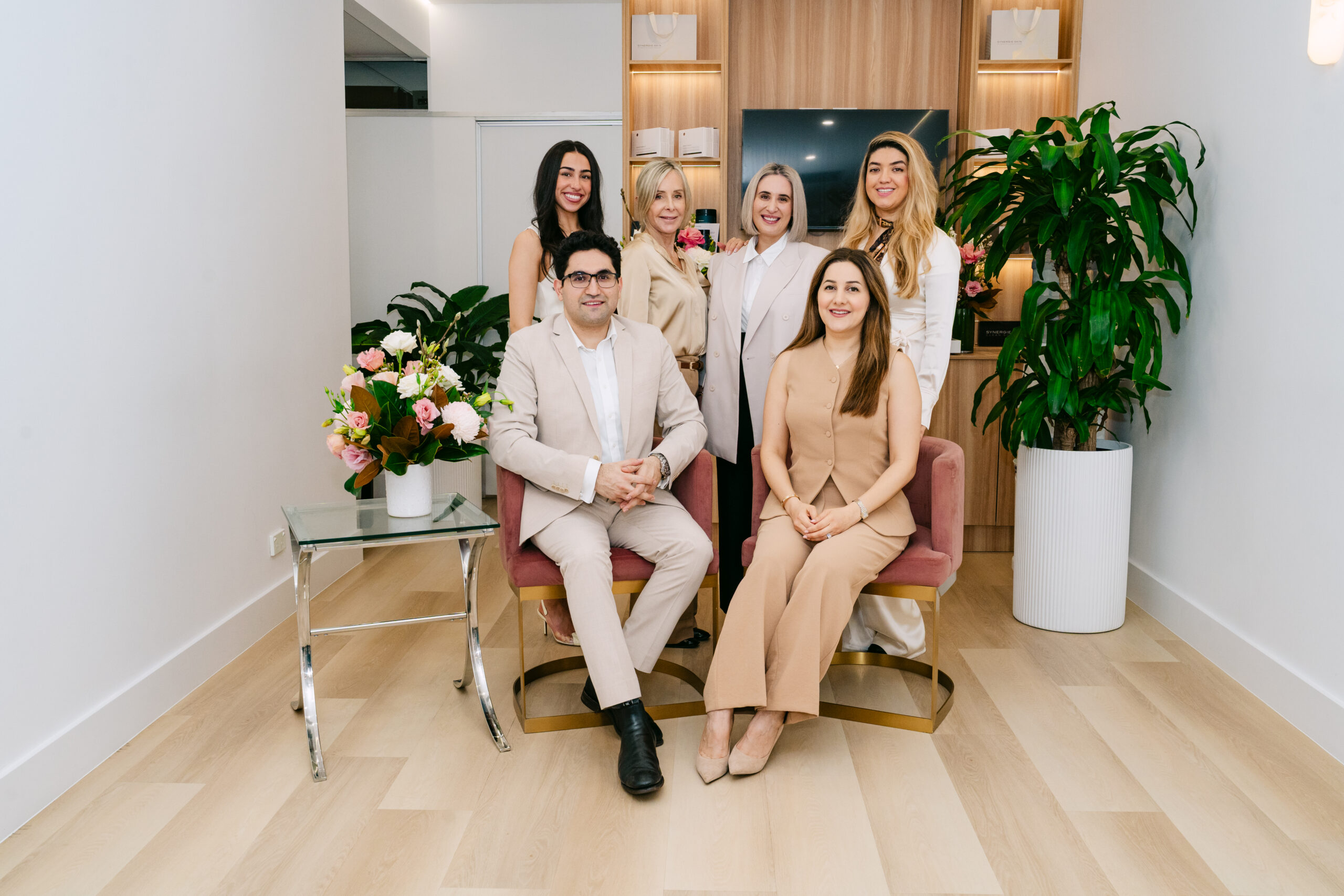
At COSMEX, we combine surgical expertise with personalised care. Your safety, comfort and understanding are the priority at every stage.
Our surgeons hold Fellowship of the Royal Australasian College of Surgeons (FRACS) in Plastic and Reconstructive Surgery. They are board certified cosmetic plastic surgeons sub-specilising in cosmetic surgery of the breast. You are welcome to verify your surgeon’s credentials via the AHPRA public register and on ANZBCPS, ASAPS, ASPS,. RACS, and AHPRA.
All procedures are performed in licensed, accredited hospitals meeting Australian standards for theatre safety, anaesthesia, infection control and emergency care.
Every plan follows a thorough one-on-one consultation assessing your anatomy, concerns, goals and medical history. You receive a personalised implant recommendation, not a standardised package.
Your care continues well beyond surgery, with scheduled follow-ups, access to your surgical team during recovery, and long-term implant monitoring where clinically indicated.


Breast augmentation is a surgical procedure that uses silicone or saline implants to increase breast size and change breast shape and projection. Implants are placed either under the breast tissue or under the chest muscle. It is major surgery, and suitability is confirmed at a consultation.
Both are used in Australia. Silicone gel implants are filled with a cohesive gel that many patients feel resembles natural breast tissue; saline implants are filled with sterile salt water. There is no single "better" option. The right choice depends on your anatomy, tissue and goals, and is discussed at consultation.
Implant size (measured in cc) and profile are matched to your chest width, frame, existing tissue and the look you want. Larger implants are not always better and can increase certain long-term risks. Your surgeon will help you choose a size suited to your body.
Implants can be placed above the pectoral muscle (subglandular) or partially/fully beneath it (submuscular/dual plane). Placement affects implant coverage, how natural the upper breast looks, and mammogram imaging. Your surgeon recommends an approach based on your tissue and goals.
Breast implants are not considered lifetime devices. Many remain in place for years, but they may need replacement or removal over time due to issues such as capsular contracture, rupture or personal preference. Long-term monitoring is recommended.
Many people can still breastfeed after augmentation, though this cannot be guaranteed and depends on incision type and individual factors. Implants can affect mammogram imaging, so tell your radiographer you have implants; additional views may be needed. Discuss both at consultation.
Breast augmentation is a widely performed procedure, but no surgery is without risk. Some people report systemic symptoms they associate with their implants ("breast implant illness"). BIA-ALCL is a rare cancer of the immune system linked to certain textured implants. Your surgeon will discuss current evidence, implant choice and monitoring.
Many people take around a week off desk-based work, with light activity returning over weeks 2–6 and exercise from around 6 weeks once cleared. Implants settle and swelling subsides over several months. Timelines vary between individuals.
Yes, all surgery leaves permanent scars. Scar location depends on the incision used (under the breast, around the areola, or in the underarm). Scars fade over time but do not disappear entirely, and healing varies.
Cost varies with implant type, placement and whether procedures are combined. A personalised quote covering surgeon, anaesthetist, facility and implant fees is provided after consultation. Purely cosmetic augmentation is generally not covered by Medicare or private health insurance.
Yes, in selected cases. If you have sagging as well as volume loss, augmentation may be combined with a breast lift (an "augmentation mastopexy"). Combining procedures affects operating time, recovery and risk, and is only considered where clinically appropriate.
Bring your medical history, a list of medications and supplements, and note your goals and questions. You may be asked about smoking/nicotine use, weight stability and general health. A consultation is required to confirm suitability.
You should wear your post operative garments full time for the first 6 weeks prior to weaning. For breasts, it's important to wear a supportive bra or garment longterm to help with long term stability.
You should avoid heavy activities after your surgery. Gentle walking is recommend after your surgery and you can return to gentle exercise from 2 weeks; avoid getting hot and sweaty. For breast surgery you can start doing leg exercises from 2 weeks and return to gentle upper body exercise from 6 weeks. Heavy lifting and contact sports after 3 months.
Once the patient has stopped taking analgesia that may cause drowsiness and once they feel comfortable and in control. For most patients this occurs 10 to 14 days after surgery.
You can shower the day after your surgery. The first dressing change is approximately 2 weeks after your surgery. Your scars are generally taped again for a further 2 weeks prior to starting scar massage.
Once your wounds have fully healed you can start applying the scar balm; generally this is 3 to 4 weeks after surgery. Most patients usually apply the scar balm alternating with use of silicone tape. The easiest schedule is to use silicone tape during the week (5 days) then doing the balm on the weekend (2 days). Please note not to use silicone tape on any open wounds or if any scabs present.
You can start LM any time after surgery even in within the first week. We recommend 10 weekly sessions after your surgery to reduce the swelling, remove excess fluid and improve the skin contour after surgery.
Whether you are exploring surgery, seeking a second opinion, or simply have questions
about the process, our team is here to guide you.
Call now to speak directly with our team and book a consultation.
Complete our enquiry form and our team will be in touch to guide you through your options and answer any questions you may have.
Schedule a no-obligation phone consultation with our patient concierge team, pricing guidance and any questions you may have.
Use the link below to book non-surgical appointments with our cosmetic practitioners.